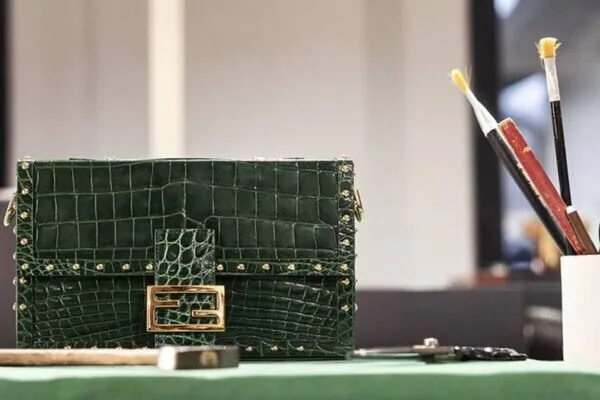


The grunge aesthetic, born out of the vibrant music scene of the early ’90s, has left an indelible mark on fashion, art, and culture. Its raw, unfiltered essence continues to resonate with new generations, making one wonder how the grunge aesthetic stands the test of time.
From its roots in Seattle to its global impact, the aesthetic embodies rebellion and authenticity, striking a chord with those who value individuality over conformity. In this article, we’ll explore the origins, characteristics, and lasting legacy of grunge culture.
What is the grunge aesthetic?
The grunge aesthetic is characterized by a fusion of music, fashion, and art that emerged as a direct response to the polished mainstream culture of the late ’80s. It combines elements of punk, metal, and indie rock, resulting in a distinct style that emphasizes comfort and individuality.
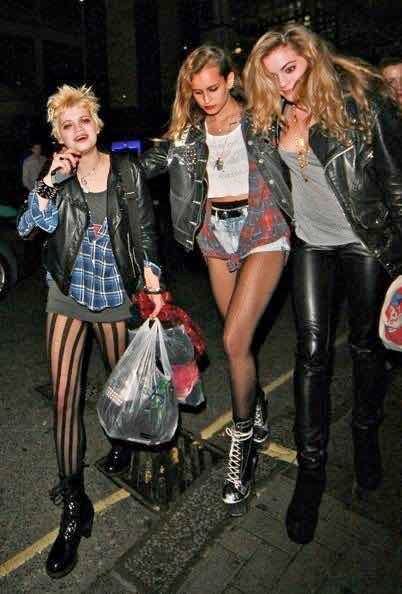
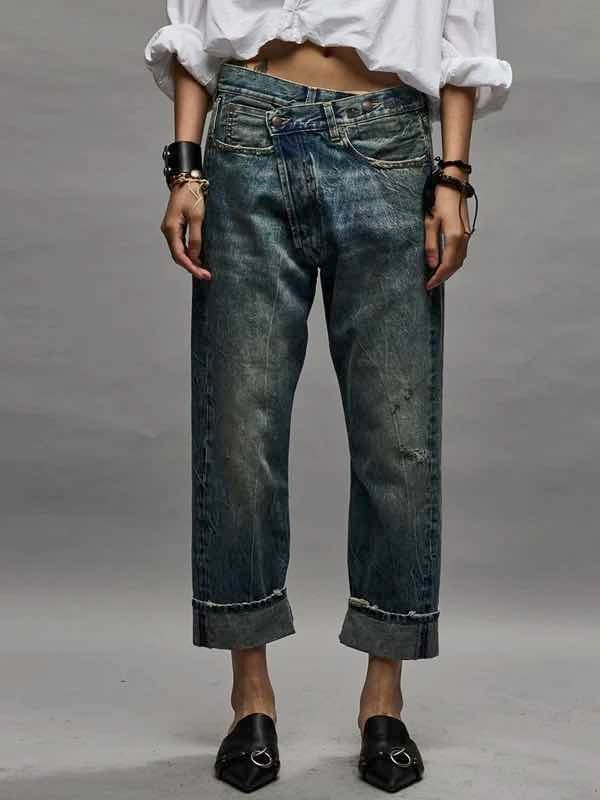
At its core, the grunge aesthetic rejects traditional beauty standards, celebrating imperfections and authenticity. This is evident in the fashion choices of grunge icons, who often sported thrifted clothing, oversized flannels, and torn jeans.
Furthermore, the DIY ethos is a defining feature of grunge, encouraging individuals to create and express themselves without the constraints of commercialism. This spirit of self-expression is central to understanding how the grunge aesthetic stands the test of time.
How did grunge start?
The origins of grunge can be traced back to the underground music scene of Seattle in the late ’80s. Bands like Nirvana, Soundgarden, and Pearl Jam began to gain traction, blending heavy guitar riffs with introspective lyrics. Nirvana’s “Nevermind” was pivotal in catapulting grunge into the mainstream, bringing a sense of authenticity to the forefront of music.
As grunge music gained popularity, so did its associated fashion. Kurt Cobain, the iconic frontman of Nirvana, became synonymous with the grunge look. His style embodied a rebellion against traditional masculinity, favoring thrifted clothes and disheveled hair. This marked a significant shift in the fashion landscape, as grunge style fashion evolution began to challenge societal norms.
Moreover, the gritty environment of Seattle played a crucial role in shaping the grunge movement. The economic struggles of the region influenced the music and fashion, leading to a culture that valued authenticity and rawness over polish.
What are the iconic characteristics of grunge?
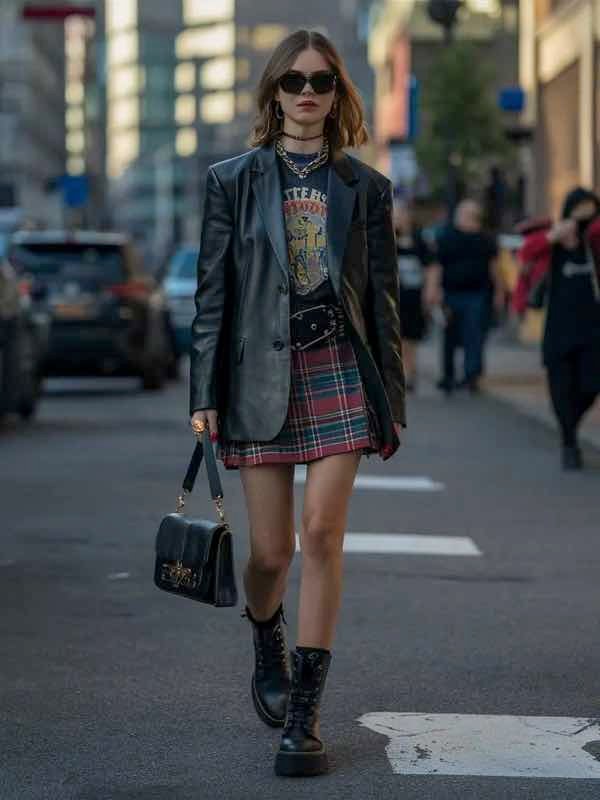
- Layered clothing: Oversized flannels, band t-shirts, and ripped jeans are staples of grunge fashion.
- Neutral color palette: Earthy tones and muted colors dominate the grunge aesthetic, reflecting the ambiance of the Pacific Northwest.
- DIY attitude: Personalization and customization of clothing, often through distressing and embellishing, are key characteristics.
- Rejection of traditional beauty: Grunge embraces flaws, celebrating individuality and authenticity.
These characteristics not only define the grunge aesthetic but also highlight its enduring appeal. The comfort and relatability of grunge style resonate with many, making it a timeless choice.
How has grunge evolved over the years?
While the grunge movement peaked in the early ’90s, its influence can still be seen in contemporary fashion and art. The post-grunge era saw a diversification of styles, as new artists and designers incorporated grunge elements into their work.
Modern interpretations of grunge often blend traditional elements with current trends, creating a unique fusion that appeals to a broader audience. For example, high-fashion designers frequently draw inspiration from grunge, reimagining iconic styles for the runway.
Furthermore, the revival of ’90s fashion trends has led to a resurgence of grunge aesthetics in popular culture. Social media platforms, particularly Instagram and TikTok, have become breeding grounds for DIY grunge aesthetics, allowing individuals to showcase their unique interpretations.
What is grunge art and its historical context?
Grunge art emerged alongside the music movement, encapsulating the raw energy and ethos of the grunge scene. Defined by chaotic textures, muted colors, and a sense of imperfection, grunge art reflects the disillusionment and urban decay of the late 20th century.
Artists within the grunge movement often challenged conventional beauty standards, opting for a more authentic representation of life. This focus on imperfection mirrored the angst and frustration felt by a generation grappling with social issues.
Grunge art’s historical context is essential to understanding its significance. The rise of this art form coincided with a period of economic turmoil and cultural shifts, where traditional values were being questioned. The legacy of grunge art continues to influence contemporary design, emphasizing authenticity and emotional expression.
How does grunge style reflect rebellion?
The grunge style embodies a spirit of rebellion against societal norms and expectations. By rejecting the polished aesthetics of the mainstream, grunge individuals embraced a look that signified authenticity and a DIY approach to fashion.
This rebellion is not limited to fashion; it extends to music and art as well. Grunge musicians often addressed themes of alienation, disillusionment, and resistance in their lyrics, resonating deeply with a generation seeking to express their frustrations.
The grunge aesthetic serves as a reminder that individuality and self-expression are powerful tools for challenging the status quo. This ethos of rebellion remains a significant aspect of its appeal today.
What is the legacy of grunge in popular culture?
The legacy of grunge in popular culture is profound and far-reaching. It has influenced various aspects of music, fashion, and art, leaving an indelible mark on contemporary culture.
Nirvana, as a pioneering grunge band, continues to inspire new generations of musicians, with their sound echoing in various modern genres. The emotional depth of their music laid the groundwork for indie rock and alternative music movements that followed.
In fashion, grunge has seen a resurgence every few years, often reinvented for new audiences. The ongoing interest in 90s fashion trends ensures that grunge elements remain relevant, particularly among younger generations who appreciate its authenticity.
Moreover, the influence of grunge on modern design is evident in the rise of DIY culture, where individuals embrace imperfections and self-expression in their artistic endeavors.
Related Questions About Grunge Aesthetic
Questions related to the enduring nature of the grunge aesthetic
How was grunge reflected the issues going on in society at the time?
Grunge emerged as a response to various societal issues in the early ’90s, including economic struggles and a growing sense of disillusionment among youth. Its music and fashion reflected a desire for authenticity, breaking away from the superficiality of mainstream culture.
Bands like Nirvana and Soundgarden addressed themes of alienation, mental health, and societal pressures in their lyrics, resonating with listeners who felt similarly disenchanted. The raw and unfiltered nature of grunge provided a voice for a generation grappling with complex emotions.
How do you describe the grunge aesthetic?
The grunge aesthetic can be described as a blend of punk, metal, and indie influences, marked by a casual and unpolished style. It embraces a DIY ethos, encouraging individual expression and personalization through fashion and art.
Visually, grunge is characterized by a muted color palette, layering of clothing, and a rejection of traditional beauty norms. Its essence lies in authenticity and comfort, making it relatable and timeless.
What time period is grunge?
Grunge primarily refers to a cultural movement that peaked in the early ’90s, particularly from 1991 to 1994, with bands like Nirvana and Pearl Jam leading the charge. However, its influence stretches beyond these years, having roots in the late ’80s and continuing to resonate in contemporary culture.
Today, elements of grunge can still be found in fashion and music, indicating that while the movement may have originated in a specific time frame, its impact is enduring.
Is grunge in style in 2025?
As of 2025, grunge continues to be relevant in the fashion landscape, with many designers and brands drawing inspiration from the 90s aesthetic. The cyclical nature of fashion trends suggests that grunge will likely remain in style as nostalgia for the 90s persists.
Moreover, the rise of DIY and sustainable fashion practices aligns with the core values of grunge, emphasizing authenticity and individuality. This connection ensures that the grunge aesthetic will maintain its appeal for years to come.