
Grunge, glam, and glory: why vintage 90s clothing still reigns supreme.
From thrift stores in Portland to curated wardrobes in Milan, vintage 90s clothing isn’t just making a comeback—it never truly left. It’s raw, iconic, and unapologetically expressive. Whether you’re rocking Levi’s 501s with a flannel shirt or slipping into a satin camisole dress layered over a tee, you’re not just dressing: you’re time-traveling.
A rebellious renaissance: the grunge awakening
Rewind to Seattle, 1991—ground zero for the grunge explosion. Sparked by the raw energy of Kurt Cobain and Nirvana, the grunge aesthetic rejected polished fashion in favor of authentic, worn-in style. Picture ripped denim, oversized plaid flannels, and vintage graphic tees worn like armor against conformity. Scuffed Converse All Stars weren’t just shoes; they were a statement, a symbol of rebellion woven into every outfit.
Wearing grunge was never about looking good. It was about not caring—and that’s what made it revolutionary.
The 1990s were a decade of contradiction. Fashion became quieter and louder at the same time. On one side, minimalism stripped clothing back to clean lines, neutral tones, slip dresses, simple tailoring, and almost severe elegance. On the other, grunge and alternative style embraced disorder, thrifted layers, heavy boots, oversized silhouettes, band tees, and a deliberate rejection of polish. Together, these forces created one of the most influential fashion decades of all time.
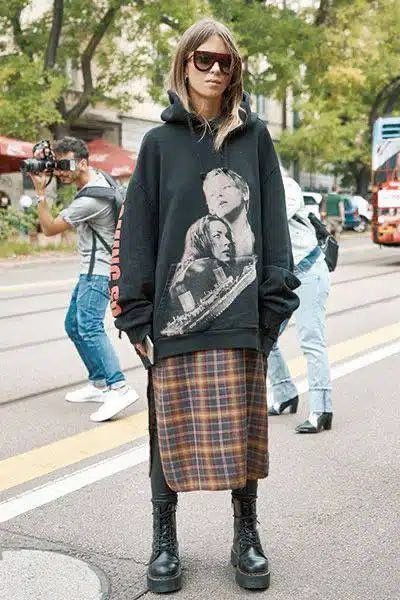
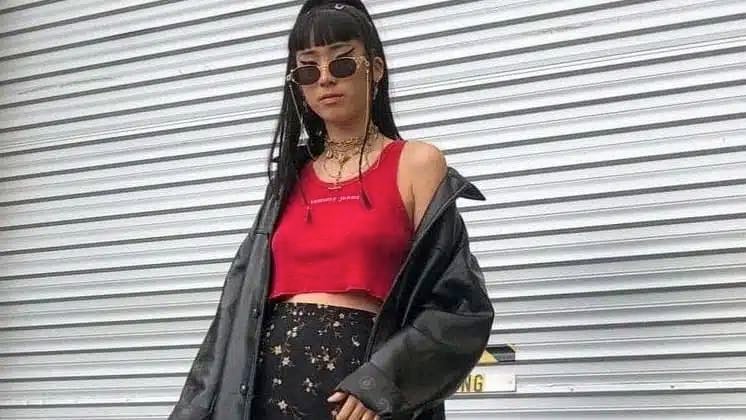
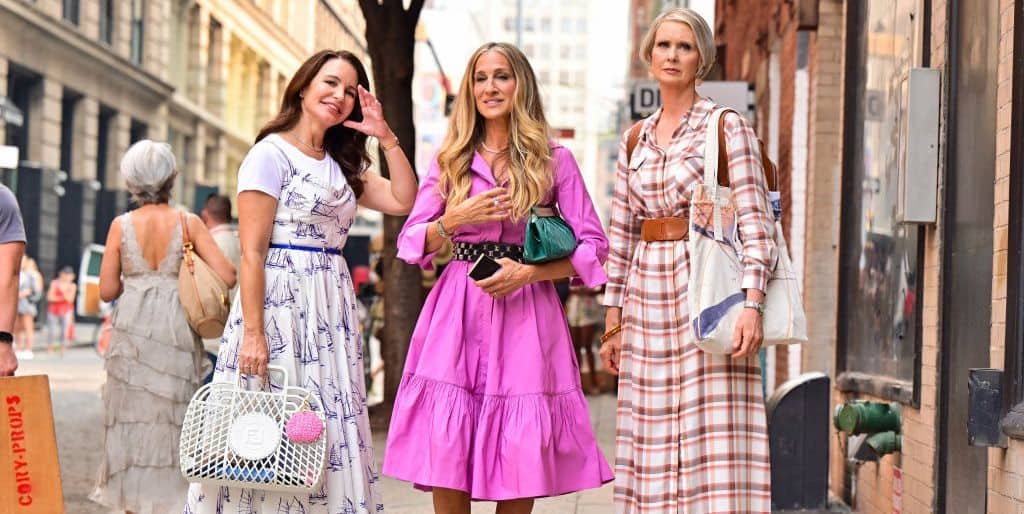
The beauty of 90s fashion lies in its tension. It could be raw or refined, messy or sensual, anti-fashion or impossibly chic. A single wardrobe might include a plaid flannel, a baby tee, a bias-cut satin skirt, straight-leg jeans, combat boots, a leather jacket, and a tiny shoulder bag. The decade did not demand one fixed identity. It allowed people to move between moods, scenes, and subcultures with ease.
Grunge was the decade’s most visible rebellion against excess. After the bright colors, padded shoulders, and glossy ambition of the 80s, the 90s turned down the volume. Clothes looked lived-in, borrowed, faded, and emotionally honest. The grunge uniform was built from ordinary pieces: flannel shirts, distressed denim, thermal tops, cardigans, oversized sweaters, Doc Martens, Converse sneakers, beanies, and second-hand jackets. The power was in the styling, not the price tag.
This was fashion that seemed to resist fashion itself. It rejected obvious glamour, designer perfection, and the idea that style had to be expensive. Thrift stores became treasure chests. Clothes carried history. A stretched cardigan or torn pair of jeans felt more authentic than something new and polished. That attitude still resonates today, especially in a world increasingly interested in sustainability, vintage shopping, and personal expression over mass-produced sameness.
Kurt Cobain became an accidental style icon because his look felt uncalculated. Oversized sunglasses, striped sweaters, floral dresses, ripped jeans, and layered flannels created a visual language of vulnerability and defiance. But grunge was never just one person’s wardrobe. It belonged to a wider alternative culture shaped by music, youth frustration, underground scenes, and a refusal to perform traditional glamour.
At the same time, 90s minimalism emerged as grunge’s elegant opposite. Designers like Calvin Klein, Helmut Lang, Jil Sander, and Prada championed simplicity, restraint, and precision. Instead of excess, they offered clean silhouettes, monochrome palettes, fine fabrics, and quiet sensuality. The slip dress became a defining garment: delicate, fluid, and intimate, yet strangely powerful. Worn alone with barely-there sandals or layered over a T-shirt, it captured the decade’s ability to make simplicity feel provocative.
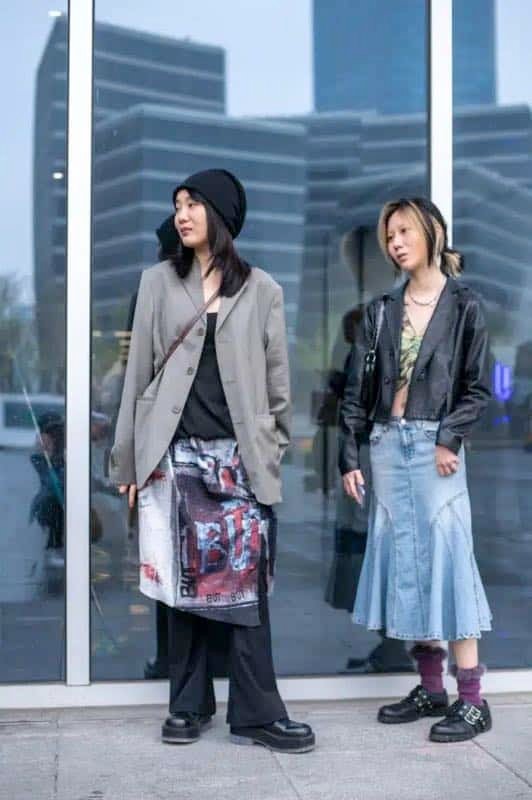
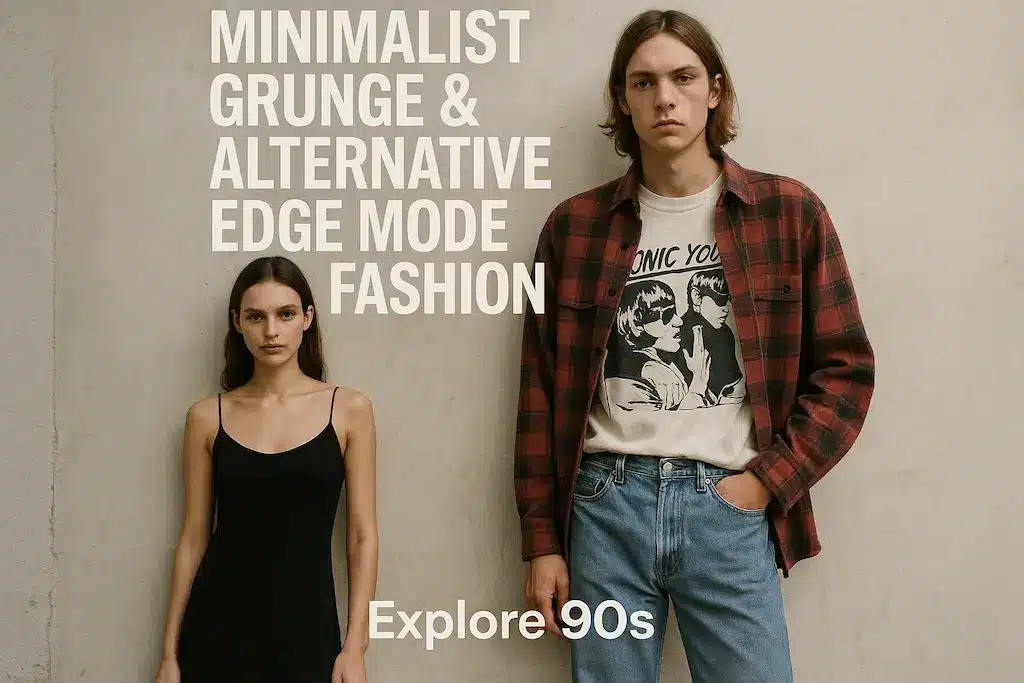
Kate Moss became the face of this minimalist mood. Her style was undone but polished, fragile but cool. A plain tank top, low-rise jeans, a bias-cut dress, or a leather jacket could look iconic because the attitude was effortless. The 90s taught fashion that seduction did not need spectacle. Sometimes the most memorable look was the simplest one.
The decade also gave us alternative edge in many forms. Riot grrrl style mixed feminist punk energy with baby-doll dresses, combat boots, ripped tights, chokers, messy eyeliner, and DIY details. Hip-hop fashion influenced mainstream wardrobes through baggy jeans, oversized jackets, tracksuits, logo-heavy pieces, bucket hats, and statement sneakers. Rave culture brought neon, mesh, cyber details, cargo pants, and playful experimentation. Skater style introduced loose denim, graphic tees, hoodies, and practical sneakers into everyday fashion.
This mix of subcultures made 90s style democratic. It did not belong only to runways or celebrities. It lived in music venues, skate parks, bedrooms, record shops, campuses, clubs, and city streets. Clothing became a map of what you listened to, where you spent time, and what you refused to become.
Denim was central to the 90s wardrobe. Levi’s 501s, straight-leg jeans, mom jeans, denim jackets, cutoffs, and overalls all shaped the decade’s casual identity. Unlike the body-conscious denim of later eras, 90s jeans often had a relaxed, practical quality. They looked better when slightly worn, cuffed, faded, or paired with something unexpected. Today, the return of straight-leg and relaxed denim proves how timeless that silhouette remains.
Accessories were small but powerful. Chokers, tiny sunglasses, shoulder bags, claw clips, beanies, chain belts, mood rings, and platform sneakers all helped define the look. Footwear ranged from Converse and Vans to Doc Martens, Mary Janes, loafers, chunky sandals, and minimalist strappy heels. Each shoe told a different story, from underground rebellion to clean urban elegance.
Beauty trends carried the same duality. Grunge beauty favored smudged eyeliner, bare skin, dark lipstick, chipped nail polish, and messy hair. Minimalist beauty leaned into fresh skin, brown-toned lips, thin brows, and simple haircuts. The famous 90s blowout, the sleek bob, the pixie cut, and long center-parted hair all became instantly recognizable. Nothing looked too perfect, and that was exactly the point.
Why does 90s fashion still reign supreme? Because it feels real. It gives us permission to be imperfect, to mix high and low, to layer softness with toughness, to wear something because it means something. In the current fashion landscape, where vintage shopping, personal branding, nostalgia, and sustainability all matter, the 90s offer a blueprint for style with character.
To bring 90s fashion into a modern wardrobe, start with essentials. Choose straight-leg jeans, a white tank, a plaid shirt, a slip dress, a leather blazer, a baby tee, or combat boots. For a grunge-inspired outfit, layer a flannel over a vintage tee with relaxed denim and worn sneakers. For minimalist 90s elegance, wear a satin slip skirt with a simple knit or a column dress with clean sandals. For alternative edge, add a choker, dark lipstick, oversized leather, or chunky boots.
The secret is not to over-style it. The 90s look works best when it feels natural, slightly undone, and personal. Let fabrics fall easily. Mix masculine and feminine pieces. Pair delicate satin with heavy boots, or baggy denim with a tiny top. Keep the attitude casual, even when the outfit is carefully chosen.
The 1990s were not about one perfect image. They were about breaking the image apart. Minimalism removed the noise. Grunge rejected the rules. Alternative style gave outsiders a visual identity. Together, they created a fashion legacy that still feels modern because it was never trying too hard.
That is why vintage 90s clothing continues to dominate wardrobes today. It is wearable, emotional, rebellious, and endlessly adaptable. It allows glamour without excess, comfort without laziness, and attitude without explanation.
The 90s did not ask fashion to be flawless. They asked it to be honest. And that honesty still looks incredibly cool.