

A Fendi Baguette is not only carried on the shoulder.
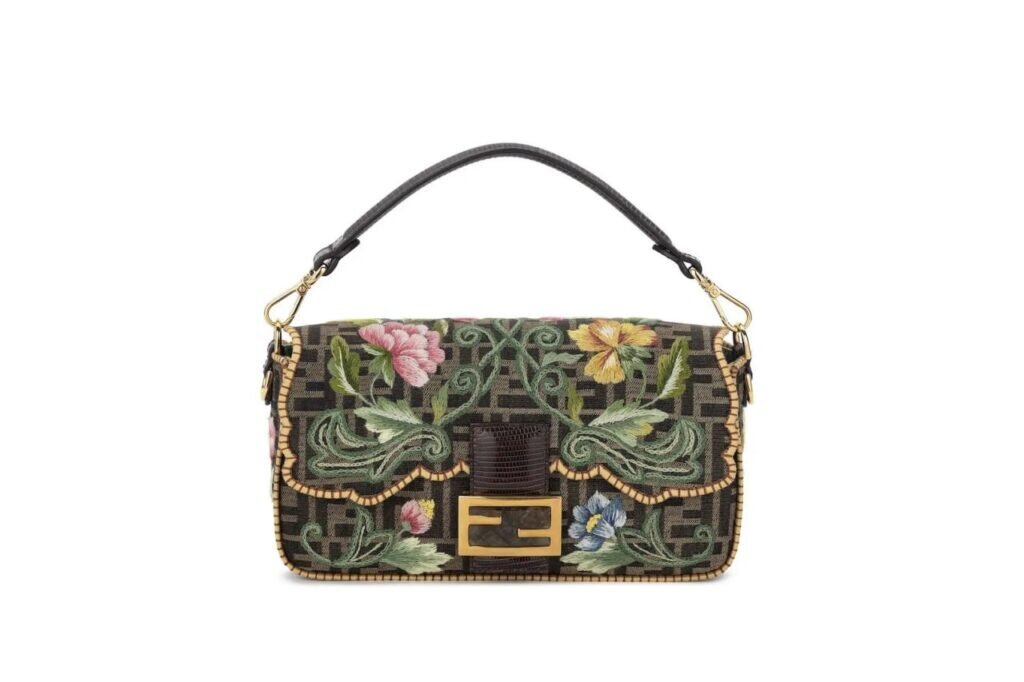
It is recognized by the way it sits under the arm, by its compact proportion, by a flap that can become leather, beads, sequins, embroidery, animal print, logo canvas, mirror, texture or memory.
It is a small bag, but it has rarely been discreet.
The return of the Fendi Baguette 26424 Re-Edition says more than a normal nostalgia operation. Fendi has brought back the style code of the original 1997 model and connected the new launch to The Baguette Lab, a service dedicated to restoring and refurbishing vintage Baguettes.
The news is about a bag.
But it is also about a wider change in contemporary luxury.
Luxury no longer sells only new objects.
It sells continuity.
It sells maintenance.
It sells recognizable authenticity.
When it works, it also sells the possibility of separating desire from disposability.
Why the Fendi Baguette Still Matters
The Baguette was created in 1997 by Silvia Venturini Fendi. Its name comes from the gesture: carrying the bag under the arm, like the French bread that inspired it.
The form is simple enough to be remembered. The surface is open enough to change.
That combination explains much of its longevity.
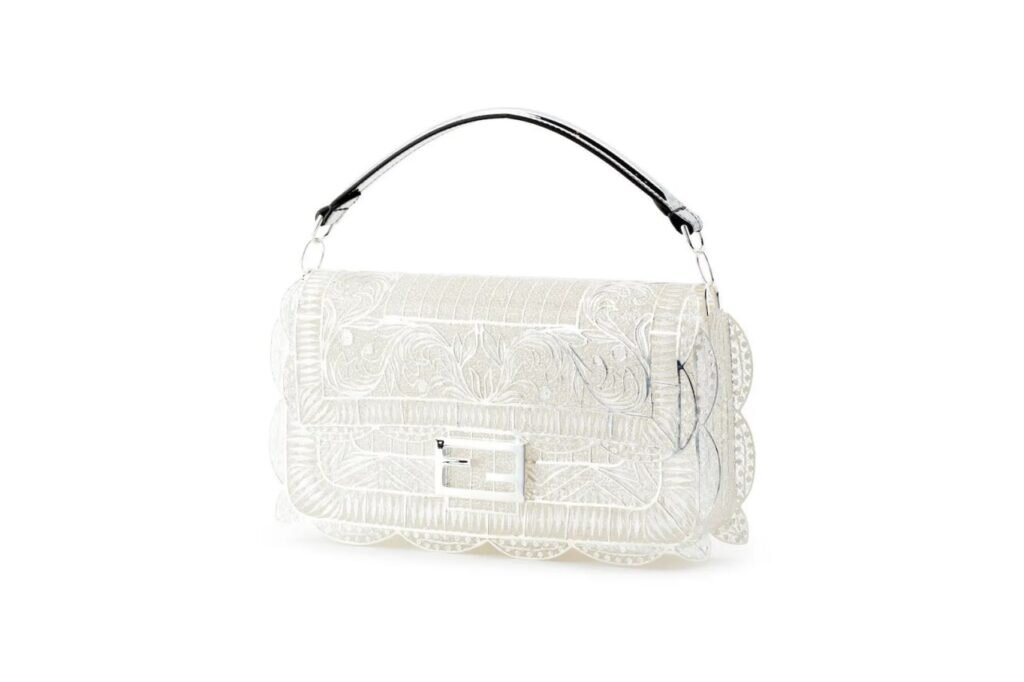
The Baguette has a stable grammar: short strap, compact body, flap, horizontal proportion. But inside that structure, Fendi turned the bag into a field of variations. It has been minimal and excessive, beaded and embroidered, pop and artisanal, television-famous and archive-worthy.
Its place in popular culture was secured by Sex and the City, when Carrie Bradshaw corrected a mugger with the now famous line: it was not just a bag, it was a Baguette. But reducing the Baguette to that television moment would miss the larger point.
That scene made visible what the fashion system had already understood.
A handbag could become a character.
Not a neutral accessory.
Not only a status symbol.
An object with its own identity.
What the 26424 Re-Edition Changes
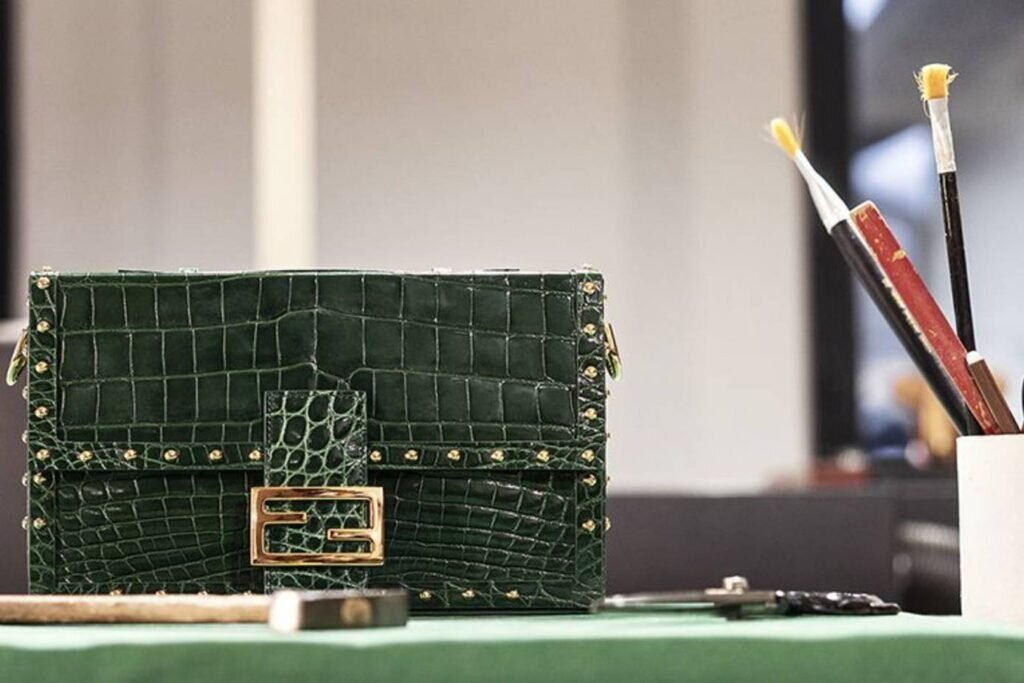
The new Baguette 26424 Re-Edition brings the original code back into public view.
That detail matters.
The number is not only a technical reference. It is a way of making the archive legible. The past is not invoked as a vague mood. It is treated as a matrix, a code, a documented starting point.
This is one of the most interesting directions in luxury today.
It is no longer enough to say heritage.
A brand has to show it through form, archive, service, repair, certification, material details and continuity.
The customer is not simply being asked to buy a new bag that looks as if it has a history.
The customer is being invited to understand where that history begins.
In the case of the Baguette, the return is especially effective because the original form was never locked inside one single decade. It belongs to the late 1990s, but it is not trapped there. It is specific enough to be recognizable and flexible enough to absorb new surfaces.
That is rare.
Many archive revivals work because they look familiar. The Baguette works because it can remain itself while changing almost everything that covers it.
The Baguette Lab Moves the Conversation
The more significant part of the story may not be the re-edition itself.
It is The Baguette Lab.
At Fendi’s Madison Avenue event in New York, guests were introduced not only to the Baguette 26424 Re-Edition but also to a service dedicated to the restoration and refurbishment of vintage Baguettes, expected to launch in the United States in July 2026.
This is where the story becomes especially relevant for vintage fashion.
Luxury enters a space that vintage has always known well: life after purchase.
A bag bought twenty or twenty-five years ago is no longer only an old accessory, a resale item or a piece waiting to be replaced. It can become something to restore, certify, preserve, repair and return to use.
It can re-enter desire without pretending to be new.
That is a cultural shift before it is a commercial one.
For decades, much of luxury’s power was built around newness: new collection, new campaign, new object, new season. Now many houses are realizing that one of their strongest assets is already in circulation. It is inside wardrobes, resale platforms, private collections, vintage boutiques and the hands of people who bought the object long before the current campaign.
The problem, for brands, is that this past exists with or without them.
Repair is one way to re-enter the conversation.
Repair Has Become a Luxury Language
For a long time, repair belonged to necessity.
You repaired what you could not replace.
In luxury, repair often remained invisible: an after-sales service, a technical matter, something separated from the public image of the product.
That is changing.
Repairing a luxury bag is not only a matter of fixing a clasp, an edge, a lining or a damaged decorative surface. It recognizes that the value of the object does not end with the first sale.
It says that time is not only damage.
It can also be part of the object’s material biography.
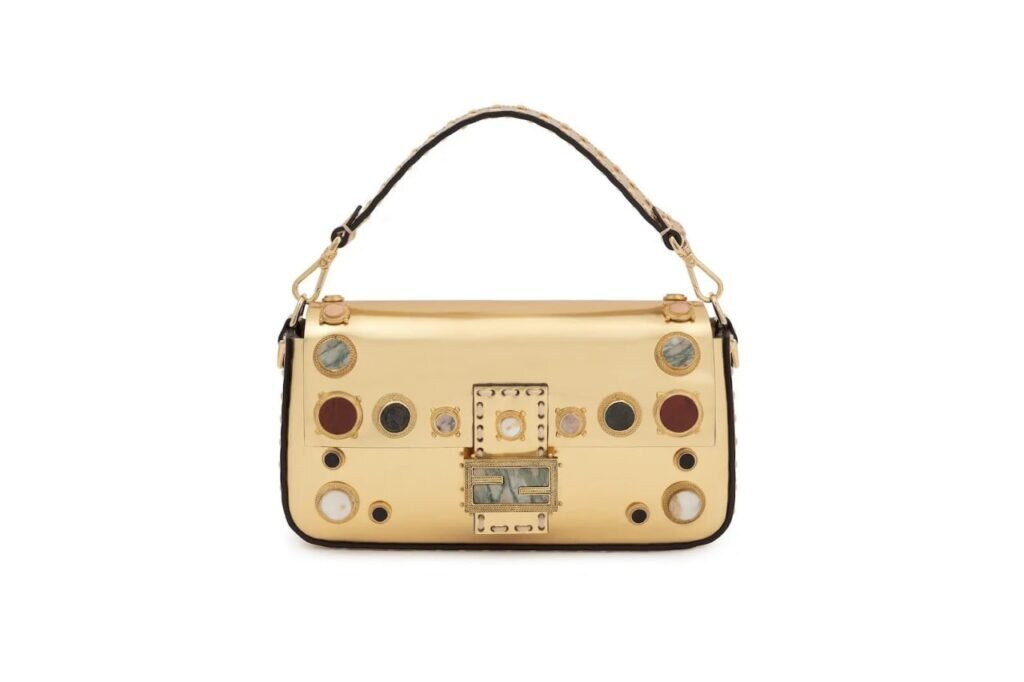
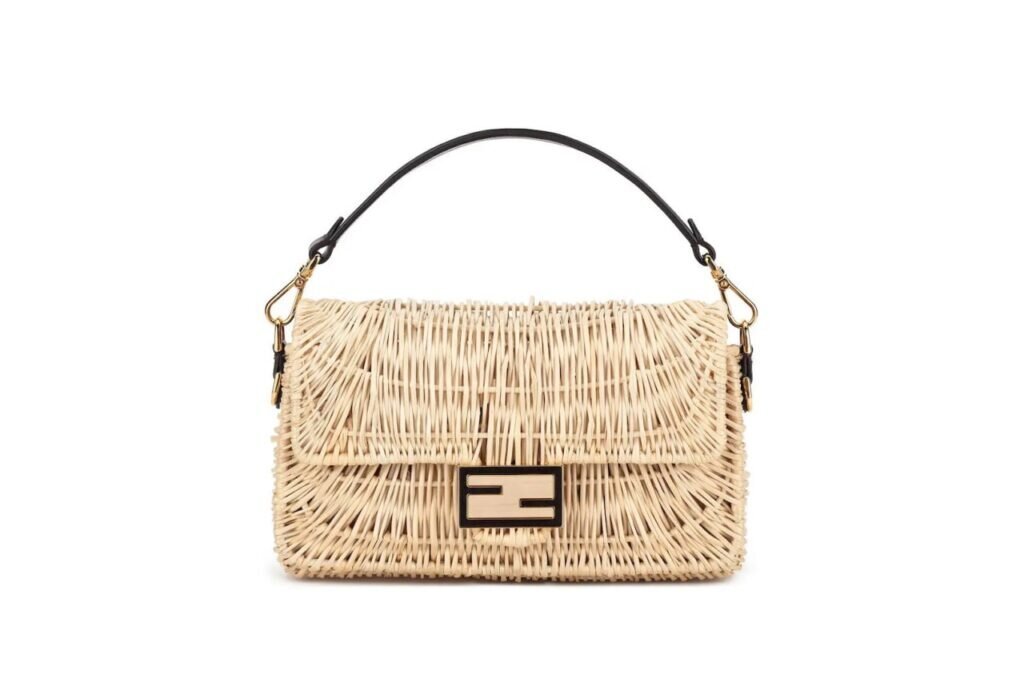
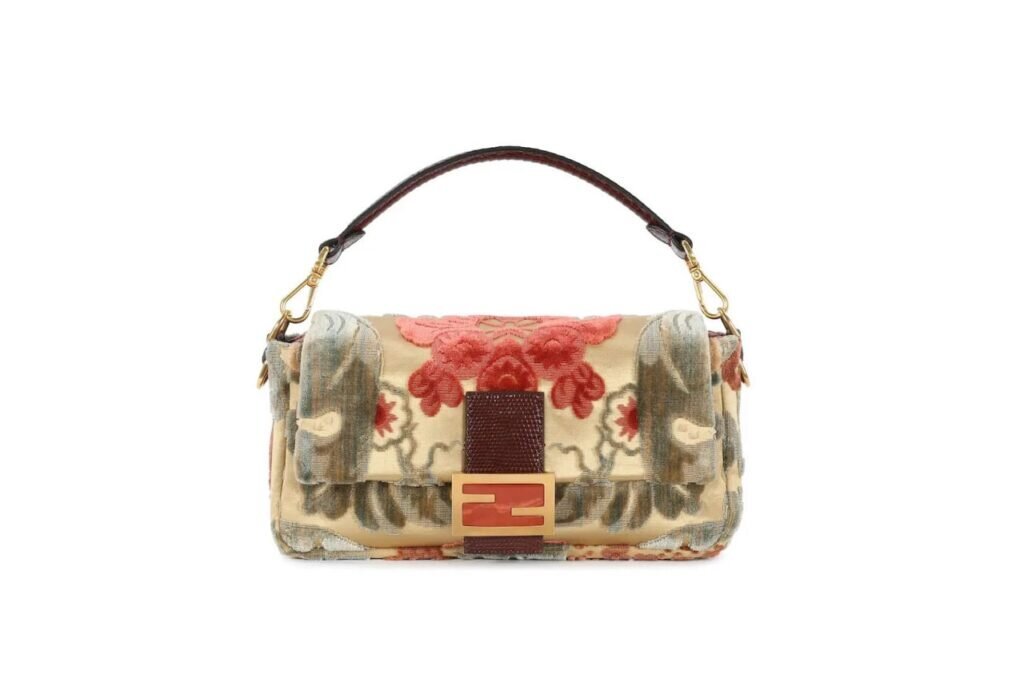
With the Baguette, this is especially clear. Many vintage versions are not simple smooth leather bags. They are complex objects made of embroidery, sequins, beads, fabric, appliques, special surfaces and delicate proportions.
Restoring one is not the same as polishing an accessory.
It requires knowledge of materials, colors, techniques, wear, original parts and the limits of intervention.
Repair becomes a form of craft storytelling.
It does not erase the vintage quality of the object.
It makes it readable again.
A Re-Edition Is Not the Same as a Vintage Piece
Luxury has become very interested in re-editions.
Dior has brought the Saddle back into circulation. Prada has repeatedly worked with its nylon archive. Gucci has reactivated historical bags. Fendi has returned to the Baguette more than once, including anniversary re-editions and collaborations.
The risk is clear.
An archive can become a mine. A brand can keep extracting what already worked instead of making the past speak with new precision.
But a good re-edition does something else.
It does not simply copy the past.
It tests it.
The Baguette 26424 Re-Edition works because the original shape still has energy. It does not depend only on nostalgia. It is a design system that can carry new materials and still remain identifiable.
For vintage culture, the distinction is essential.
A re-edition does not replace the original. It stands beside it. It can make the original more understandable. It can increase desire for vintage versions. It can bring new buyers into the market.
But it does not carry the same patina, use history or relationship with time.
The re-edition tells the story of the design.
The vintage piece tells the life of the object.
Certification and the Fragile Question of Authenticity
When demand for vintage luxury bags grows, authentication becomes more important.
It is unavoidable.
The most recognizable bags are also among the most exposed to imitation, confusion, poor restoration and misleading resale descriptions. The more a bag becomes desirable, the more its identity, condition and provenance need to be protected.
This is where a brand service becomes interesting.
Fendi cannot control everything that happens in resale. No brand can. But it can offer expertise on the objects it understands better than anyone else: their materials, construction, variations, codes, repairs and limits.
Repair and certification do not only reassure the buyer.
They rebuild a relationship between the house and objects that have already left the boutique.
That changes the posture of luxury.
The brand is no longer speaking only to the customer of the new.
It is also speaking to the owner of an existing object: someone who inherited a bag, bought it twenty years ago, found it in a vintage boutique, or wants to know whether restoration is worth it.
This is close to the best part of vintage culture.
Not consuming an object only as an image.
Reading it as material, history, use and responsibility.
Why Pre-2000 Bags Feel Relevant Again
The return of pre-2000 bags is not only nostalgia.
It also reflects a fatigue with luxury that can feel too uniform, too expensive, too exposed and too quickly absorbed by campaigns and social media.
A vintage bag offers distance from the present.
It does not look as if it was chosen only because it has just appeared in a campaign. It carries another proportion, another hand, another idea of decoration, another relation to time.
Sometimes it is more fragile.
Sometimes it is less perfect.
Sometimes it is harder to find.
That is part of its appeal.
The Baguette is especially suited to this return because it was never only one bag. It was a system of variations. Someone looking for a vintage Baguette is often not looking for “the” Baguette. They are looking for a version: sequined, beaded, animal print, fabric, embroidered, logo-covered, minimal, strange, familiar, seen in a photograph, remembered from a television scene, or found by chance.
The desire is not only for Fendi.
It is for an object that does not feel interchangeable.
The Italian Core of the Story
The Baguette is global in fame, but deeply Italian in logic.
It belongs to a Roman house founded in 1925, shaped by family, craft, commerce, fur, leather, irony, decorative surfaces and technical skill.
Fendi is not only a luxury brand.
It is a house that made materials part of its language.
The Baguette condenses that language on a small scale. It is an accessory, but also a working surface. It can look playful and still require serious craft. It can be associated with New York and Carrie Bradshaw, while remaining rooted in an Italian idea of making, surface and transformation.
That is why The Baguette Lab matters.
It does not simply say: buy the new one.
It says: bring back the one you already have.
In a period when luxury often risks being read mainly through price, that message is stronger than many campaigns.
What Vintage Can Learn From the Baguette
The Fendi Baguette 26424 Re-Edition and The Baguette Lab point to three directions vintage fashion should watch closely.
First, the archive is no longer backstage. It is part of the product.
Second, maintenance can become value, not only service.
Third, authenticity is not a romantic word. It is a process made of materials, codes, hands, checks and responsibility.
This does not mean every re-edition is interesting. It does not mean every repair service turns a bag into a collectible object. Marketing is always close to this territory.
But when a house recognizes that its past is still circulating, being worn, repaired, bought, sold and desired, it admits something important.
Luxury does not live only in newness.
It lives in the ability to last without becoming silent.
The Baguette remains interesting for this reason. Not simply because it has returned, but because it never fully left the conversation. It was in wardrobes, television memory, vintage boutiques, resale platforms, private collections and the hands of people who kept it long enough for fashion to come back to it.
The new luxury, if it wants to be credible, will have to learn this lesson.
Not to erase time.
To take care of it.
Join our Community: