
A vibrant journey through 1970s vintage fashion trends, from sequin-sparkled disco nights to free-spirited bohemian style, exploring how the era’s key looks still shape modern style.
When Disco Fever Met Boho Freedom
In the swinging seventies, fashion exploded into two iconic currents: disco glamour and bohemian chic. On one side, the dance floors of Studio 54 welcomed shimmering jumpsuits, sequined dresses, platform shoes, and metallic polyester shirts that caught strobe lights at every spin. Bold silhouettes like tight disco pants and hot pants combined with plunging necklines and wide collars delivered the ultimate bell-bottom edginess. Men and women alike embraced platform shoes, glittery fabrics and daring leisure suits, unconcerned with convention.
The 1970s were not a quiet decade. Fashion did not whisper; it sang, danced, protested, and seduced. It was a period of extremes, where glamour could be loud and freedom could be soft. The decade moved between two magnetic worlds: the electric night of disco and the sunlit ease of bohemian living. One was built on sparkle, rhythm, and performance. The other on nature, craft, individuality, and a longing for escape. Together, they created one of the richest and most recognizable style eras in modern fashion history.
Disco fashion was made for movement. Clothes had to shine under the lights, stretch with the body, and transform an ordinary night into a spectacle. Sequins, lamé, satin, lurex, and metallic knits became essential materials because they reacted to light like a second skin. A silver jumpsuit, a gold wrap dress, or a pair of high-waisted flared trousers could make anyone look ready for the dance floor. The body became part of the music, and fashion became part of the performance.
The jumpsuit was one of the decade’s most powerful pieces. Sleek, dramatic, and practical, it gave both women and men a sense of confidence and ease. It could be glamorous in liquid satin, futuristic in metallic fabric, or casual in denim. With a cinched waist, wide legs, and a plunging neckline, the jumpsuit captured everything disco loved: drama, sensuality, and freedom of movement. It remains a modern favorite because it offers instant impact with very little effort.
Platform shoes were another unmistakable symbol of the era. They added height, attitude, and theatricality. Whether worn with flares, mini dresses, hot pants, or glittering evening looks, platforms changed posture and presence. They made the wearer taller, bolder, and impossible to miss. Today’s platform sandals, boots, and heels still carry that same 70s energy, proving that a strong shoe can transform an entire outfit.
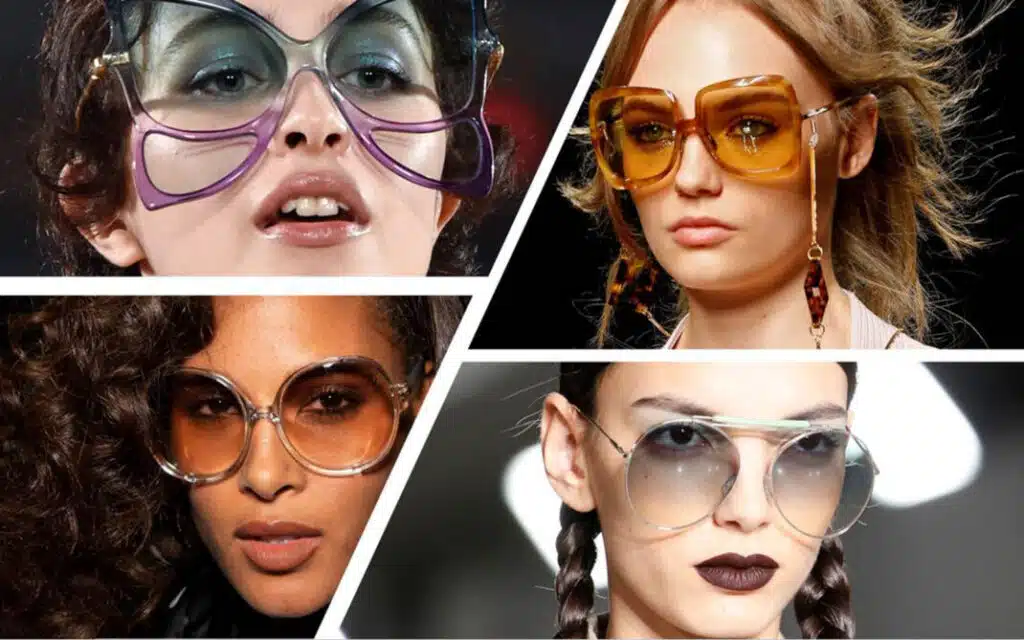
Disco style also blurred gender expectations. Men wore fitted shirts with wide collars, flared trousers, bold prints, scarves, jewelry, and colorful suits. The leisure suit became a cultural icon, often made in synthetic fabrics and styled with open-neck shirts. While some versions now feel exaggerated, the attitude behind them remains influential. Modern menswear continues to borrow from the decade’s confidence: relaxed tailoring, fluid shirts, velvet jackets, tinted sunglasses, and a more playful approach to color.
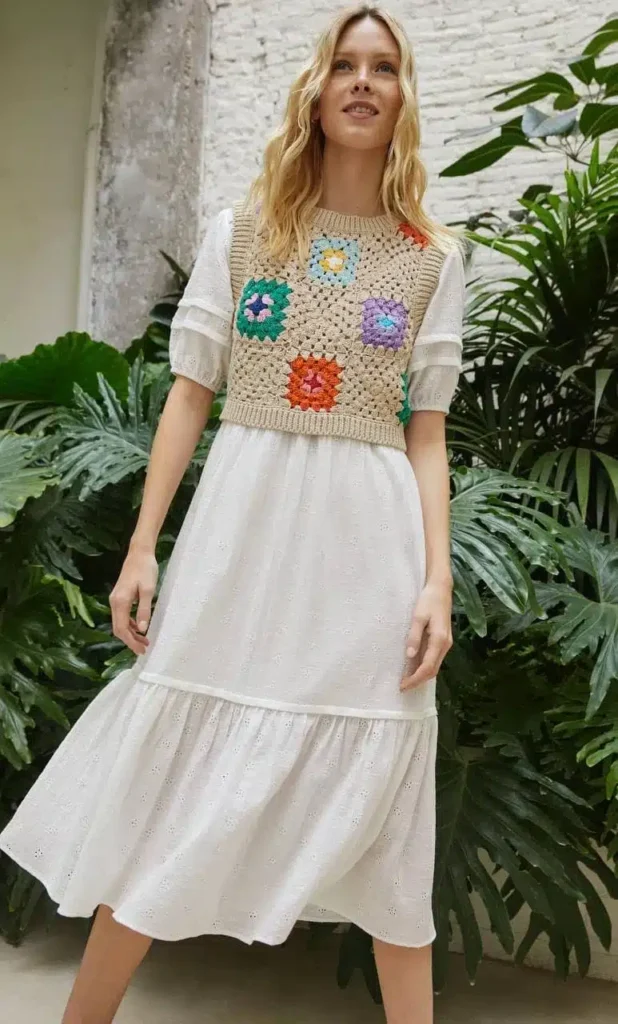
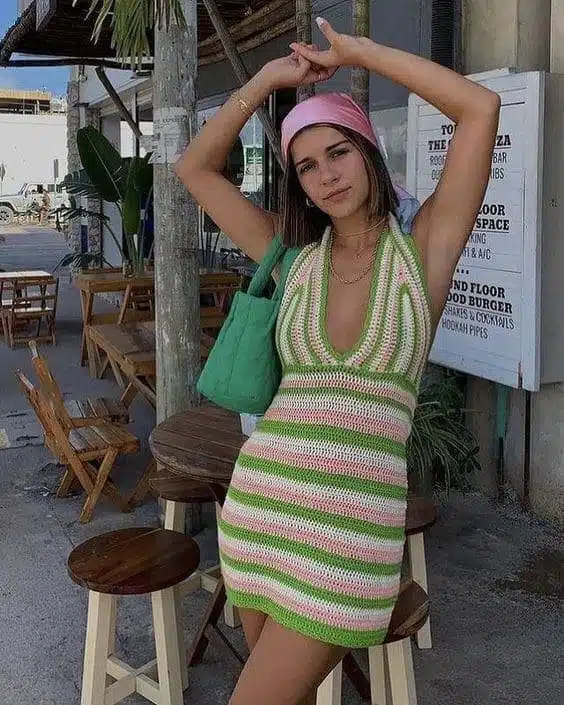
But while disco owned the night, bohemian fashion ruled the daylight. Inspired by the hippie movement, folk traditions, global travel, handmade craft, and a rejection of rigid social rules, boho style offered a softer kind of rebellion. It favored flowing maxi dresses, peasant blouses, embroidered tunics, suede vests, fringe jackets, crochet tops, patchwork skirts, and worn-in denim. The silhouette was looser, more romantic, and deeply personal.
Bohemian style was not about perfection. It was about storytelling. A long printed dress could feel like a souvenir from a journey. A fringed suede jacket could suggest music festivals, open roads, and desert sunsets. A stack of bangles, a leather belt, or a handwoven bag added texture and character. Unlike disco glamour, which often aimed for polished impact, boho fashion celebrated imperfection, layering, and emotional connection.
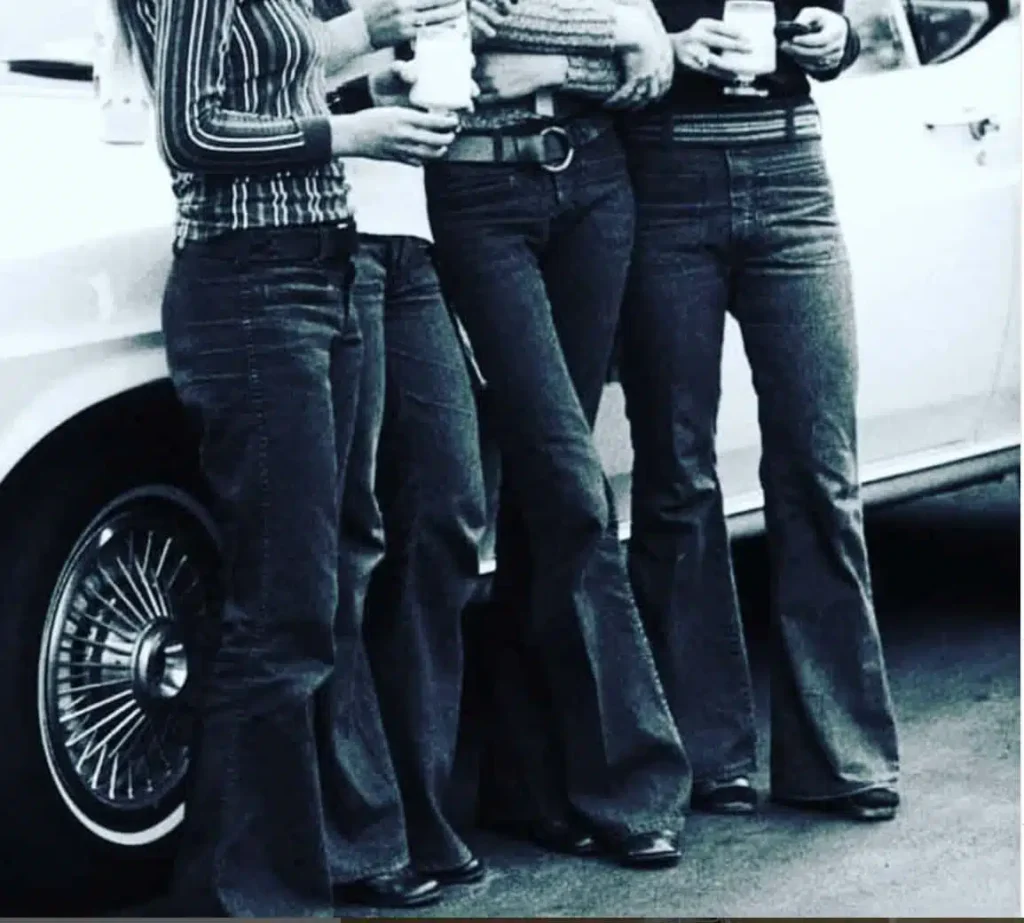
Denim became a foundation of 70s style across both worlds. Bell-bottom jeans, high-waisted flares, denim jackets, and patchwork details appeared everywhere. Jeans were no longer only practical workwear; they became expressive, sexy, and stylish. Embroidered, faded, painted, or paired with platform shoes, denim reflected the decade’s democratic spirit. It belonged to everyone.
The maxi dress also became a defining piece. Long, fluid, and often printed with florals, paisley, or ethnic-inspired motifs, it offered a graceful alternative to the mini styles of the previous decade. It could be romantic with soft sleeves and a gathered waist, or dramatic with bold color and deep necklines. Today, the maxi dress remains one of the clearest links between 70s bohemia and contemporary fashion, especially in summer wardrobes and festival styling.
Color played a major role in the decade’s identity. Disco loved black, gold, silver, white, jewel tones, and saturated brights. Bohemian style preferred earthy browns, rust, mustard, cream, olive, terracotta, and faded denim blues. Prints were equally important: paisley, florals, stripes, geometric patterns, animal prints, and swirling abstract designs all helped define the era. The 70s wardrobe was visual, emotional, and full of personality.
Beauty trends completed the look. Disco beauty leaned toward glossy lips, bronzed skin, shimmering eyeshadow, and voluminous hair that moved with the beat. Bohemian beauty was more natural: sun-kissed skin, long loose waves, center parts, minimal makeup, and an effortless glow. Icons like Farrah Fawcett, Cher, Bianca Jagger, Diana Ross, Stevie Nicks, and Jane Birkin each represented different sides of the decade, from high glamour to undone ease.
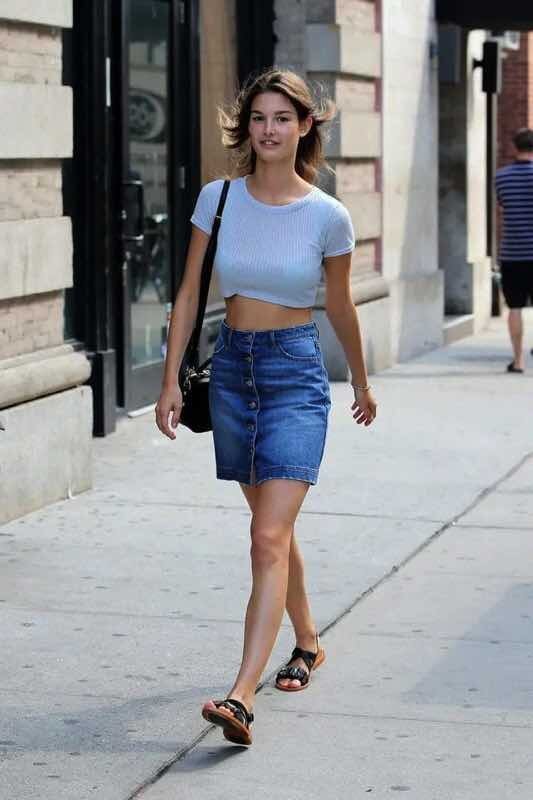
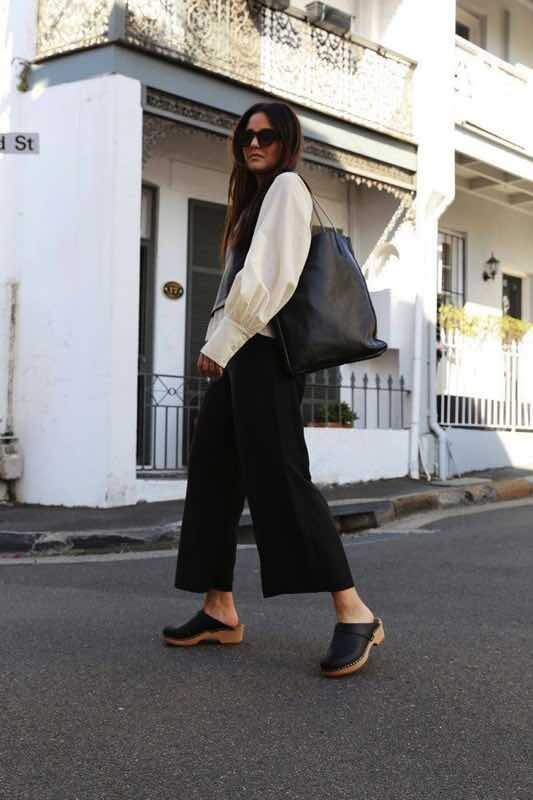
What makes the 1970s so relevant today is its flexibility. Modern fashion thrives on contrast, and the 70s provide endless inspiration for mixing moods. A sequined top can be styled with relaxed jeans. A boho blouse can be tucked into tailored trousers. A velvet blazer can move from evening wear to everyday chic. Flares can feel polished with a fitted turtleneck or glamorous with a silk shirt. The decade encourages personal expression rather than strict rules.
To bring 70s fashion into a modern wardrobe, start with texture and silhouette. Choose high-waisted flared jeans, a suede jacket, a crochet knit, a wrap dress, a silky blouse, or a platform shoe. Add one statement element instead of wearing the decade head to toe. For a disco-inspired look, try metallic accessories, a satin jumpsuit, wide-leg trousers, or a sequined piece balanced with minimal styling. For a bohemian feel, lean into natural fabrics, embroidery, layered jewelry, relaxed dresses, and earthy colors.
The 1970s were about pleasure, freedom, and self-invention. Fashion became a way to dance harder, travel lighter, love louder, and live more visibly. Whether under the glitter ball or beneath the open sky, style was a form of liberation.
That is why the 1970s revival never really disappears. Disco glamour reminds us to celebrate ourselves without apology. Bohemian fashion reminds us to stay connected to individuality, craft, and ease. Together, they create a timeless style conversation between shine and soul, excess and authenticity, nightlife and nature.
The seventies gave fashion permission to be bold, sensual, relaxed, rebellious, and deeply personal all at once. And today, that spirit feels more alive than ever.
✨ Disco and boho defined 1970s style.
👗 Sequins, jumpsuits, and platforms ruled the dancefloor.
🌸 Fringe, tie-dye, and maxi skirts led the boho wave.
🌟 Style icons: Diana Ross, Donna Summer, Stevie Nicks.
🔁 Today’s designers still echo these looks.
🧵 Fashion was freedom, fun, and fearless.