Louder than life: why 80s vintage fashion is making a fierce comeback.
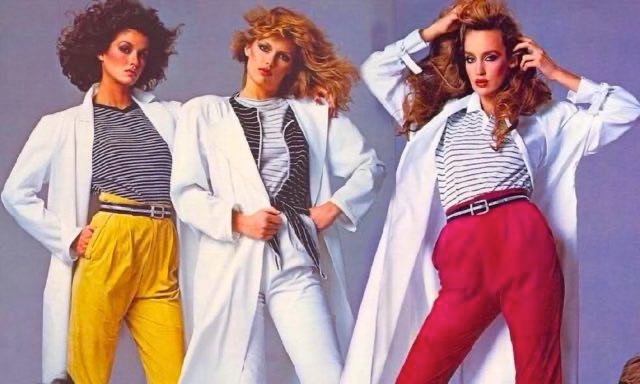
The 1980s didn’t whisper style—they screamed it. From power suits to glitter leggings, this was a decade that dressed like it had something to prove. And guess what? 80s vintage clothing is back: bolder, brighter, and more seductive than ever.
Power dressing: born in the boardroom, worn everywhere
Sharp-shouldered blazers. Cinched waists. High-rise trousers that elongate like a saxophone solo in a Prince track.
Power dressing defined the 80s. Women wore suits like armor, strutting into offices in tailored jackets by Armani and Mugler, while men opted for clean lines with subtle swagger. Fast-forward to now? Oversized blazers paired with micro shorts or chunky sneakers are everywhere from Instagram to Paris runways.
This isn’t just revival—it’s reinvention.
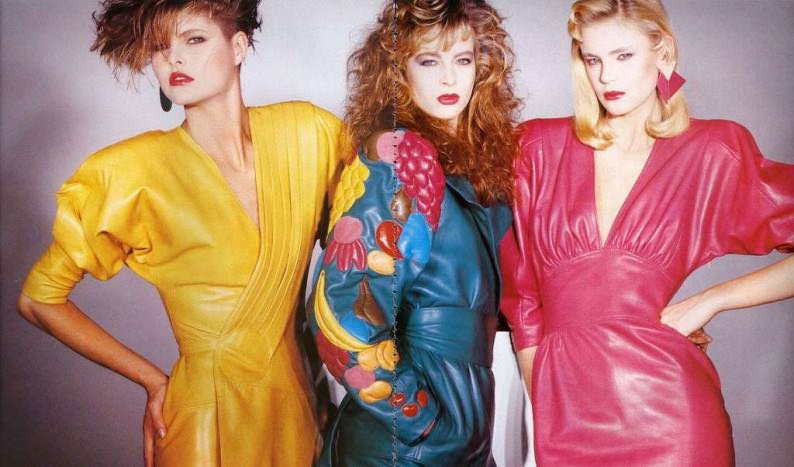
The 1980s were a decade of ambition, excess, image, music television, corporate confidence, and cultural electricity. Fashion became bigger because life felt bigger. Bigger shoulders, bigger hair, bigger colors, bigger logos, bigger dreams. Clothes were designed to project presence before a person even spoke. Whether in a boardroom, a nightclub, a gym, or a music video, the message was clear: be seen, take space, own the room.
Power dressing was the decade’s most iconic visual language. As more women entered professional environments and claimed authority in traditionally male-dominated spaces, clothing became a tool of negotiation and visibility. The sharply tailored suit, with its padded shoulders and sculpted waist, created a commanding silhouette. It borrowed from masculine tailoring but transformed it into something distinctly feminine, dramatic, and controlled. The blazer became more than officewear. It became a symbol of self-possession.
Designers understood this new hunger for impact. Giorgio Armani softened tailoring with elegant structure, creating suits that felt fluid yet powerful. Thierry Mugler pushed the silhouette into fantasy, exaggerating shoulders, narrowing waists, and turning the body into architecture. Donna Karan introduced pieces that balanced practicality with polish, offering women wardrobes that could move through demanding urban lives. The result was a new kind of elegance: not delicate, not passive, but assertive.
Today, the return of power dressing speaks to a similar desire for confidence. The modern oversized blazer has become a wardrobe essential because it carries authority without feeling rigid. Styled with denim, slip dresses, cycling shorts, mini skirts, wide-leg trousers, or sneakers, it can shift from corporate to casual, from polished to rebellious. The 80s blazer no longer belongs only to the office. It belongs everywhere.
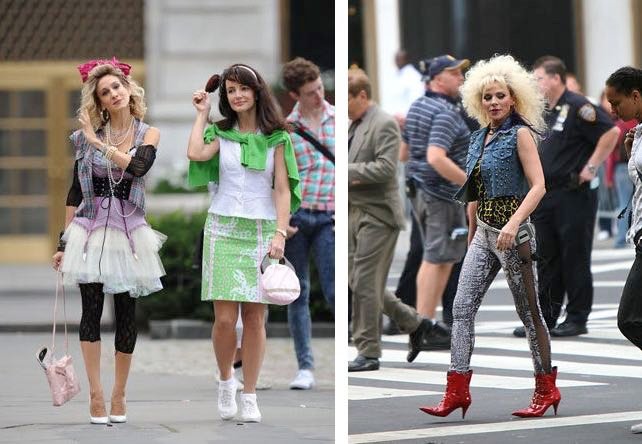
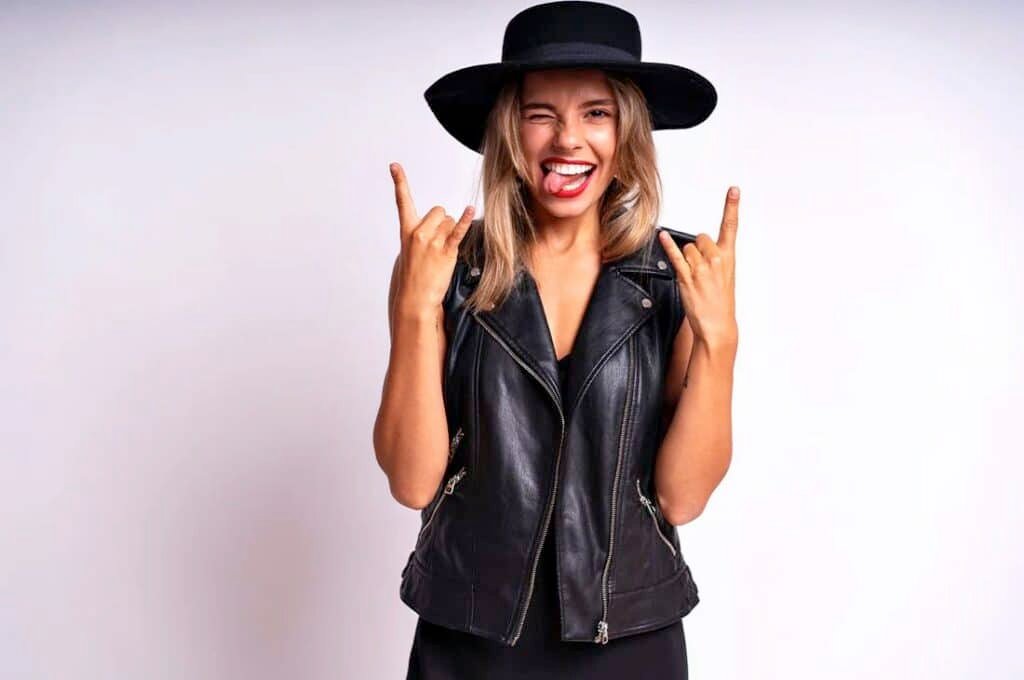
But the 1980s were never only about suits. The decade also gave us electric rebellion: neon colors, leather jackets, ripped denim, fishnet tights, metallic fabrics, animal prints, lace gloves, slogan tees, studded belts, and a fearless collision of styles. This was the age of MTV, where music and fashion merged into a single visual explosion. Artists did not just release songs; they created worlds. Madonna layered lace, pearls, crucifixes, bustiers, and attitude. Prince made ruffles, velvet, heels, and color feel sensual and radical. Grace Jones turned fashion into sculpture. Cyndi Lauper celebrated chaos, color, and playful individuality.
Street style became louder because pop culture became more visual. The rise of music videos meant that a look could become iconic overnight. A leather jacket, a red lip, a teased hairstyle, or a pair of fingerless gloves could travel across the world through a television screen. Fashion became performance, and performance became identity.
Denim also took on a new personality in the 80s. Acid wash jeans, high-waisted cuts, oversized jackets, ripped knees, and double denim created a casual uniform with attitude. Unlike the soft, earthy denim of the 70s, 80s denim felt sharper, brighter, and more urban. It worked with ankle boots, stilettos, sneakers, crop tops, leather jackets, and bold belts. Today, high-rise jeans and oversized denim jackets remain direct descendants of this era.
Athletic wear made one of its most important fashion leaps during the decade. Aerobics culture brought leggings, leotards, sweatbands, leg warmers, bodysuits, bright sneakers, and cropped sweatshirts into everyday style. Fitness was not only physical; it was aesthetic. The body-conscious energy of 80s activewear still shapes contemporary fashion through athleisure, sculpting leggings, oversized sweatshirts, biker shorts, and statement trainers. What once belonged to the gym now belongs to the street.
The color palette of the 1980s was unapologetic. Neon pink, electric blue, acid green, purple, red, turquoise, black, white, gold, and silver all fought for attention. Prints were equally bold: zebra, leopard, polka dots, abstract graphics, stripes, checks, and Memphis-inspired patterns. This was not a decade afraid of visual noise. In fact, noise was part of the glamour.
Eveningwear embraced drama with the same intensity. Sequins, lamé, velvet, taffeta, satin, puff sleeves, asymmetric cuts, and body-hugging shapes created looks made for entrances. Cocktail dresses often had exaggerated shoulders, gathered waists, or sculptural volume. The little black dress became sharper and sexier, while partywear leaned into sparkle and theatricality. Every night out had the potential to become a scene.
Beauty completed the rebellion. Hair was voluminous, sprayed, curled, crimped, teased, and lifted to gravity-defying heights. Makeup was expressive: strong blush, colorful eyeshadow, dark liner, glossy lips, and defined brows. The face became another canvas for confidence. Minimalism had little place here. The goal was impact.
What makes 80s fashion so appealing now is its refusal to apologize. In a world where personal branding, digital visibility, and self-expression dominate, the decade’s visual codes feel incredibly relevant. The 80s understood the power of image before social media existed. It taught us that clothes can communicate ambition, humor, sexuality, rebellion, and status instantly.
Still, wearing 80s style today works best when it is edited. A head-to-toe costume can feel overwhelming, but one strong reference can transform a modern outfit. Try an oversized blazer with straight-leg jeans. Pair a metallic top with tailored black trousers. Wear high-waisted denim with a crisp white tee and bold earrings. Add a leather jacket over a slip dress. Choose a neon accessory instead of a full neon outfit. Balance volume with simplicity.
For a contemporary power look, combine a structured blazer with relaxed trousers and sleek boots. For an electric night-out outfit, mix sequins with denim or leather. For casual rebellion, go with acid-wash jeans, a vintage sweatshirt, chunky sneakers, and statement sunglasses. The secret is contrast: strong with soft, polished with undone, retro with modern.
The 1980s revival is not about copying the past. It is about reclaiming its courage. This was a decade that believed fashion could amplify identity. It made ambition visible, rebellion glamorous, and excess magnetic. It celebrated people who dressed not to blend in, but to be remembered.
So when sharp shoulders, bold colors, leather, sequins, oversized denim, and statement accessories return to the spotlight, they bring more than nostalgia. They bring attitude. They remind us that style can be armor, theater, pleasure, and protest all at once.
The 80s are back because quiet fashion can only hold the room for so long. Sometimes, we need clothes that walk in before we do.
🐆 Leopard print flirts with zebra stripes.
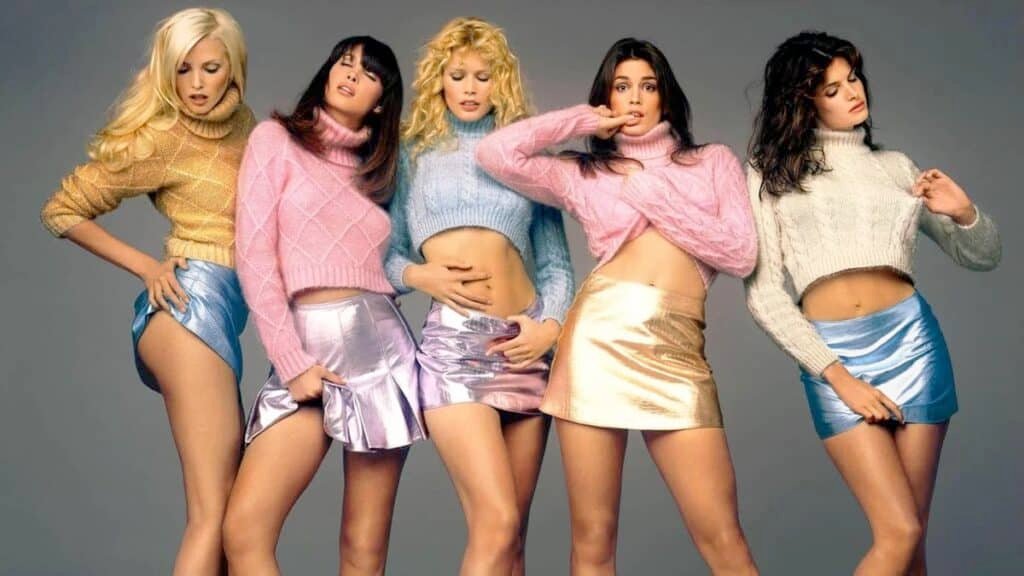
🌈 Metallics, sequins, glitter—glamour turned up to 11.
✨ Lycra bodysuits.
🧦 Leg warmers.
🎧 Headbands and shiny tracksuits.
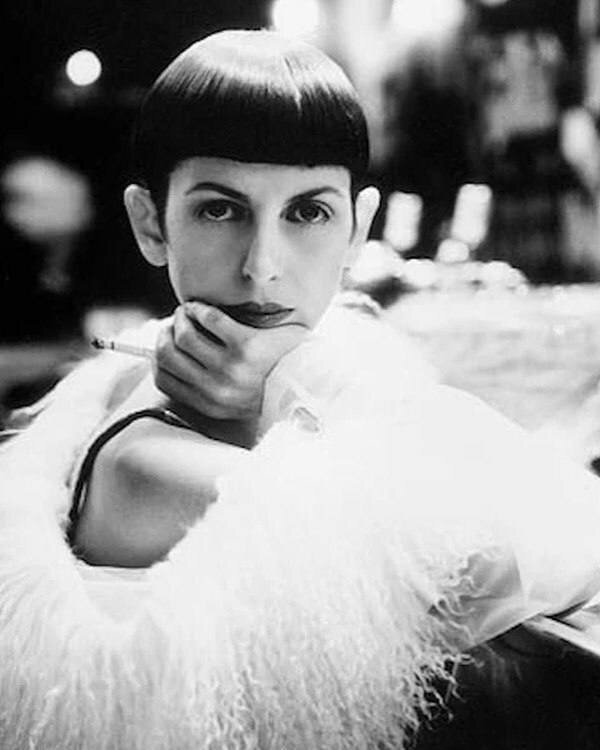
Isabelle Blow
Isabella Blow was known for her bold personal style and her knack for discovering new talent. In the early 1980s, she assisted Anna Wintour at Vogue and worked with André Leon Talley at Interview Magazine.
She championed Alexander McQueen, made Philip Treacy famous, and launched the models Sophie Dahl and Stella Tennant.For her, fashion was theater and a form of self-expression, and Blow herself became a muse, a mentor, and a symbol of provocative elegance.