
A vibrant journey through Y2K vintage fashion trends, from rhinestone-studded denim and baby tees to metallic mini bags, low-rise silhouettes, and cyber-pop glamour, exploring how the era’s playful futurism still shapes modern style.
When the Millennium Met Pop Fantasy
At the turn of the millennium, fashion looked forward with wide eyes, glossy lips, and a flip phone in hand. The Y2K era was not subtle. It was shiny, playful, tech-obsessed, and deliciously dramatic. Clothes felt like they had been designed for music videos, red carpets, mall culture, early internet icons, and a future imagined through silver fabrics and bubblegum-colored screens.
Y2K fashion was born from a very specific cultural mood: the late 1990s and early 2000s were filled with excitement about technology, celebrity, youth culture, and digital identity. The world was stepping into a new century, and fashion responded with sparkle, synthetic textures, futuristic accessories, and a sense of fearless experimentation. It was cute, chaotic, sexy, and artificial in the most intentional way.
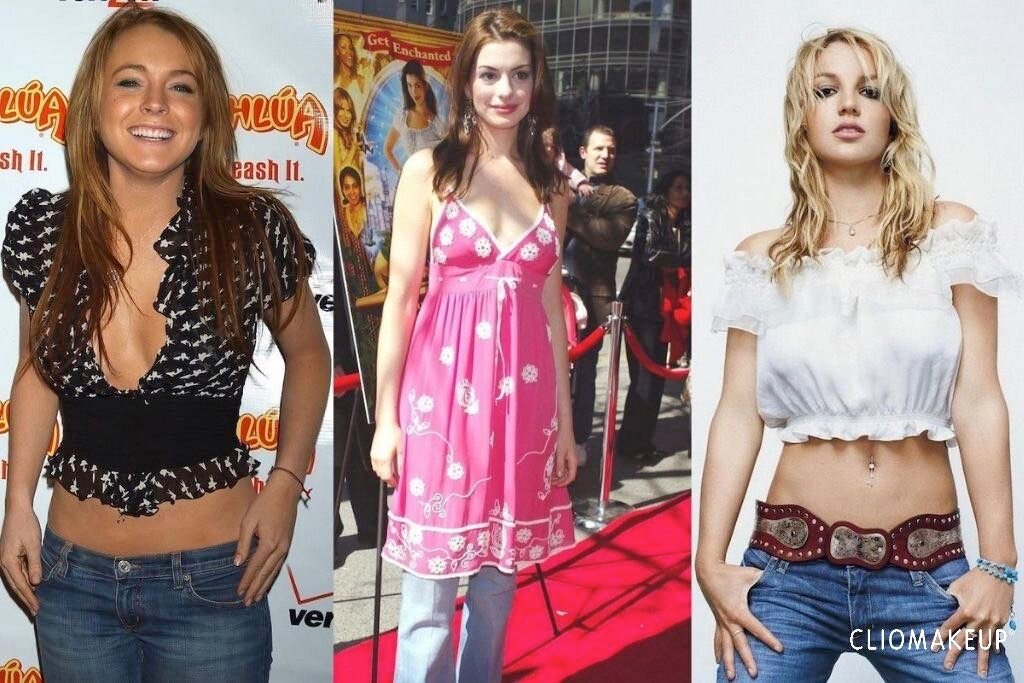
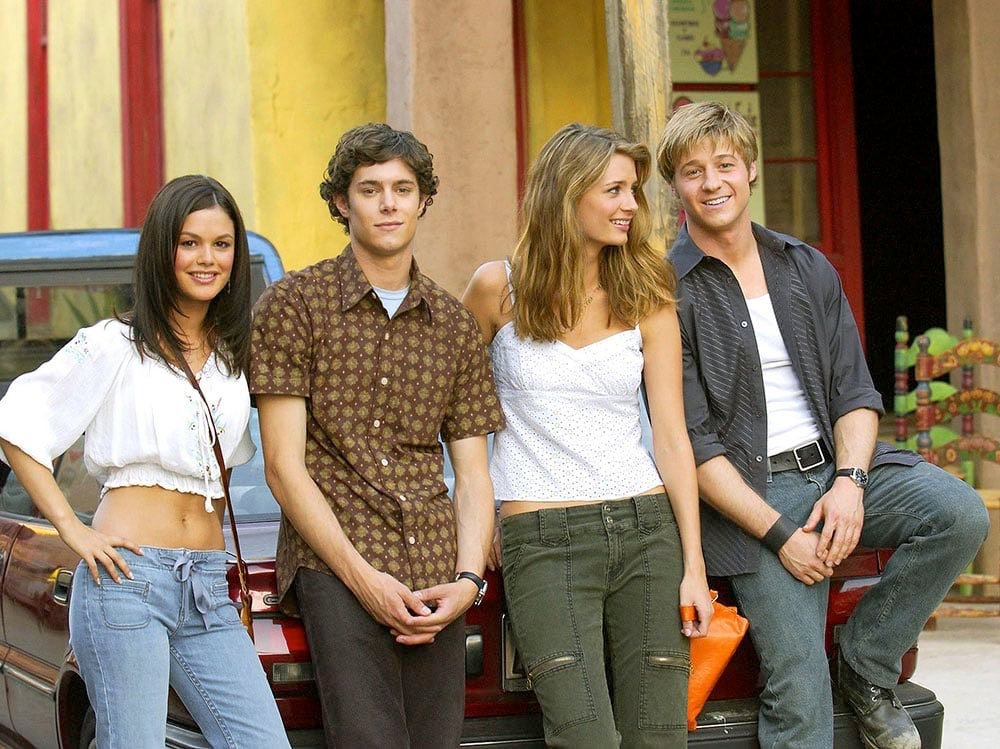
This was the age of low-rise jeans, tiny tops, glitter body lotion, tinted sunglasses, platform sandals, velour tracksuits, cargo pants, butterfly clips, metallic handbags, and rhinestone logos. The silhouette was often body-conscious and playful: cropped cardigans, halter tops, tube tops, baby tees, micro skirts, and bootcut denim dominated wardrobes. Everything seemed designed to be seen, photographed, and remembered.
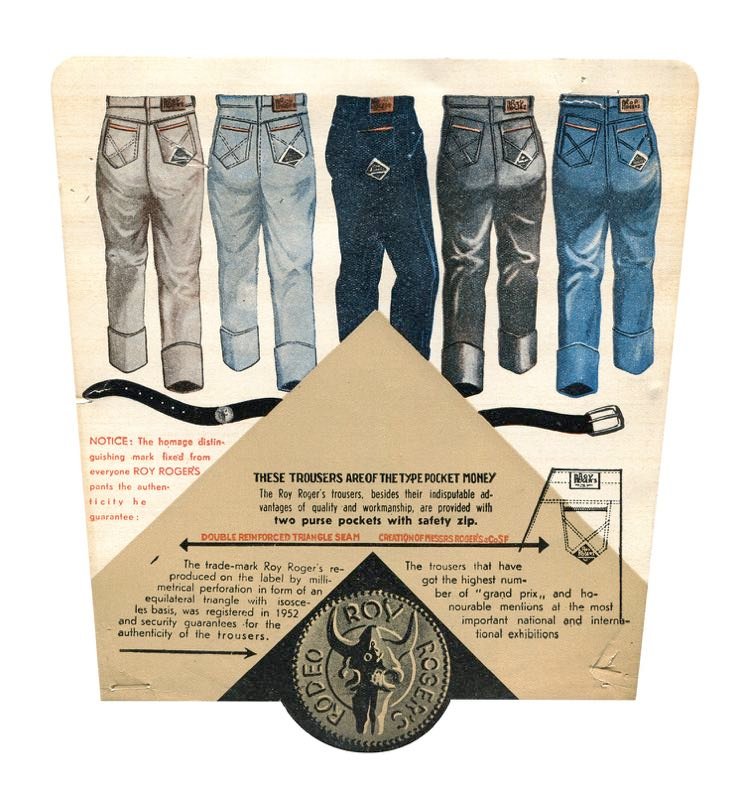
One of the most iconic Y2K pieces was the low-rise jean. Worn with a cropped tank, a belt, and visible underwear bands, it became a symbol of early 2000s confidence. Denim came in every form: flared, bootcut, embellished, distressed, embroidered, crystal-studded, or paired with matching denim jackets. The famous denim-on-denim look became a cultural signature, especially when styled with attitude and a touch of excess.
The baby tee was another essential. Small, fitted, and often decorated with slogans, cartoon graphics, rhinestones, or playful prints, it captured the era’s youthful energy. It was casual but expressive, simple but full of personality. Paired with cargo pants, mini skirts, or low-rise jeans, the baby tee created an instantly recognizable Y2K silhouette that still feels fresh today.
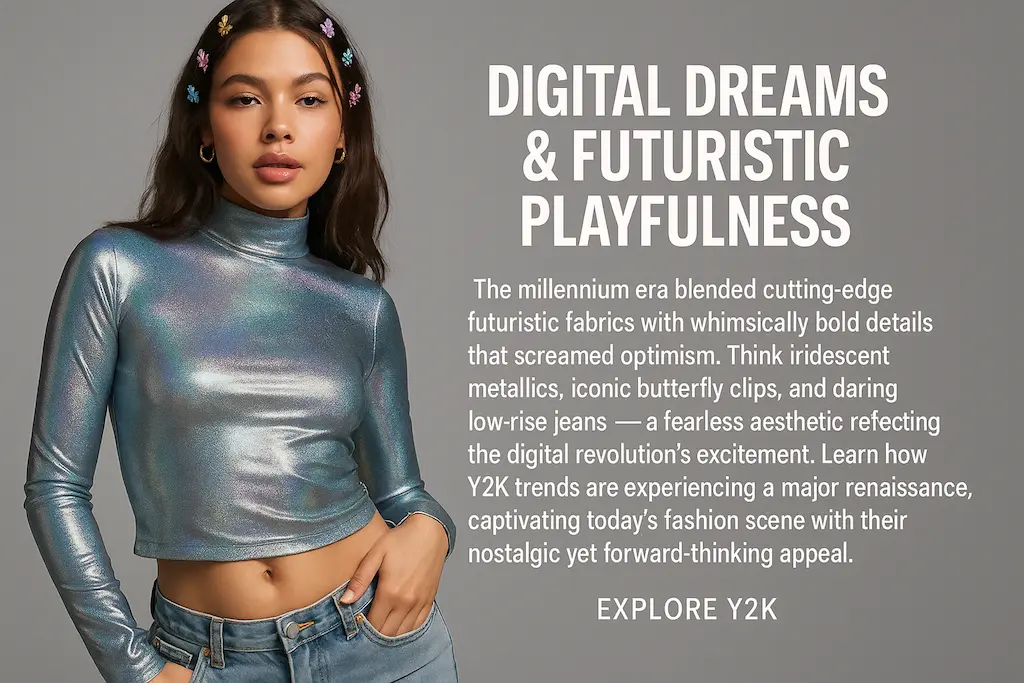
Y2K fashion also loved shine. Metallic fabrics, silver trousers, holographic bags, glossy PVC, iridescent details, and crystal embellishments reflected the era’s obsession with the future. This was not the sleek futurism of the 1960s Space Age; it was more digital, more playful, and more pop. It imagined the future as a glamorous screensaver: chrome, sparkle, plastic, color, and fantasy.
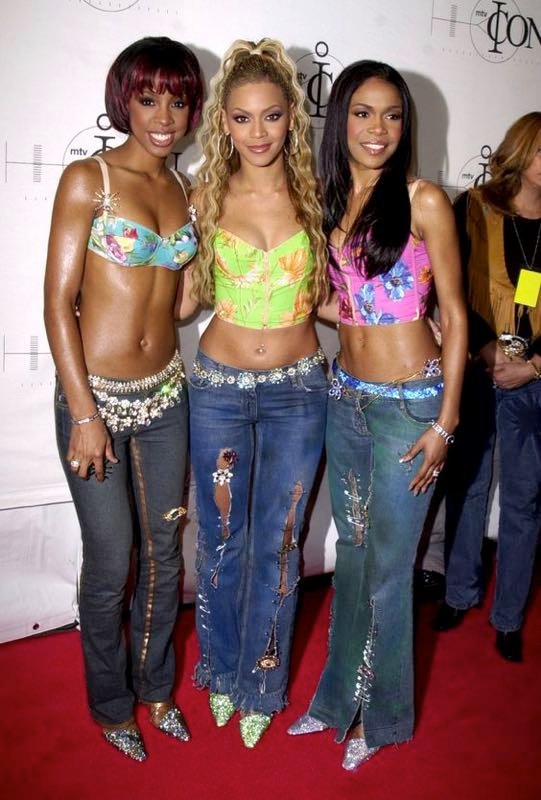
Accessories were central to the look. Tiny shoulder bags, baguette bags, rimless sunglasses, chunky belts, hair clips, charm jewelry, belly chains, and platform flip-flops completed the outfit. Nothing was too small to make a statement. Even phones became fashion objects, decorated with charms, stickers, and crystals. Personal style extended beyond clothing into every detail of daily life.
The Y2K beauty world was just as distinctive. Glossy lips, frosted eyeshadow, thin brows, bronzed skin, colorful eyeliner, and glitter accents created a polished yet playful face. Hair was full of personality: spiky buns, zigzag parts, face-framing strands, crimped textures, high ponytails, butterfly clips, and chunky highlights. Beauty felt experimental and fun, less about timeless elegance and more about mood, visibility, and personality.
Pop culture drove the aesthetic forward. Britney Spears, Destiny’s Child, Paris Hilton, Christina Aguilera, Jennifer Lopez, Aaliyah, and the Spice Girls helped define the decade’s visual language. Music videos, teen films, paparazzi shots, red carpets, and magazine covers became style manuals for an entire generation. Fashion was aspirational, but it was also accessible: mall brands, logo pieces, tracksuits, and denim made the look easy to recreate.
The velour tracksuit deserves its own spotlight. Soft, colorful, and often branded across the back, it blurred the line between loungewear and celebrity glamour. It was casual but status-driven, comfortable but performative. Today, its return reflects a broader desire for comfort with personality. The modern version may be more refined, but the attitude remains the same: relaxed, confident, and slightly extravagant.
Cargo pants also defined the era’s playful practicality. With oversized pockets, relaxed legs, drawstrings, and utility details, they balanced the tiny tops and feminine accessories that often accompanied them. This contrast between cute and functional is one reason Y2K style works so well now. A cropped cardigan with baggy cargos, or a satin top with wide-leg utility trousers, feels current because it mixes softness with edge.
What makes the Y2K revival so powerful today is its connection to nostalgia and digital identity. The early 2000s were the beginning of online self-presentation, but before social media became fully polished and strategic. The style was messy, expressive, and sometimes wonderfully impractical. In a world now dominated by curated feeds and minimalist branding, Y2K offers a return to fashion that feels fun, personal, and unafraid of looking “too much.”
Modern Y2K style is not about copying every detail exactly. It is about choosing the elements that feel wearable now. A metallic mini bag can update a simple outfit. A baby tee with relaxed jeans feels effortless. A rhinestone belt can add playful nostalgia. A cargo skirt, platform sandal, or glossy lip can give a subtle nod to the era without becoming costume-like.
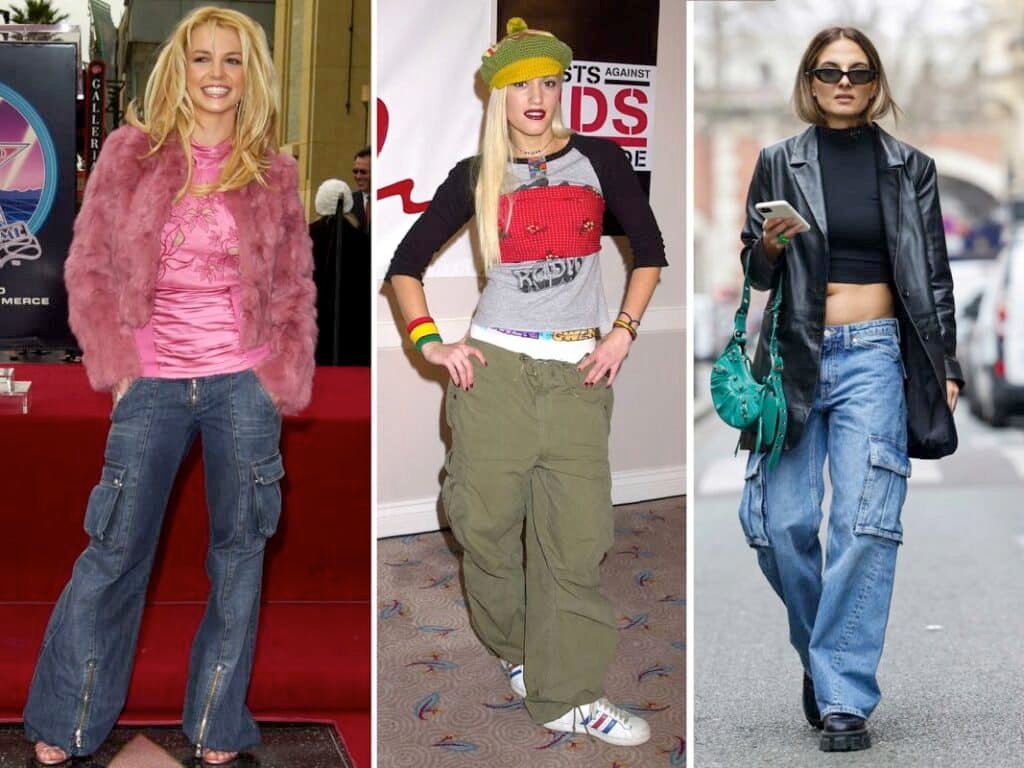
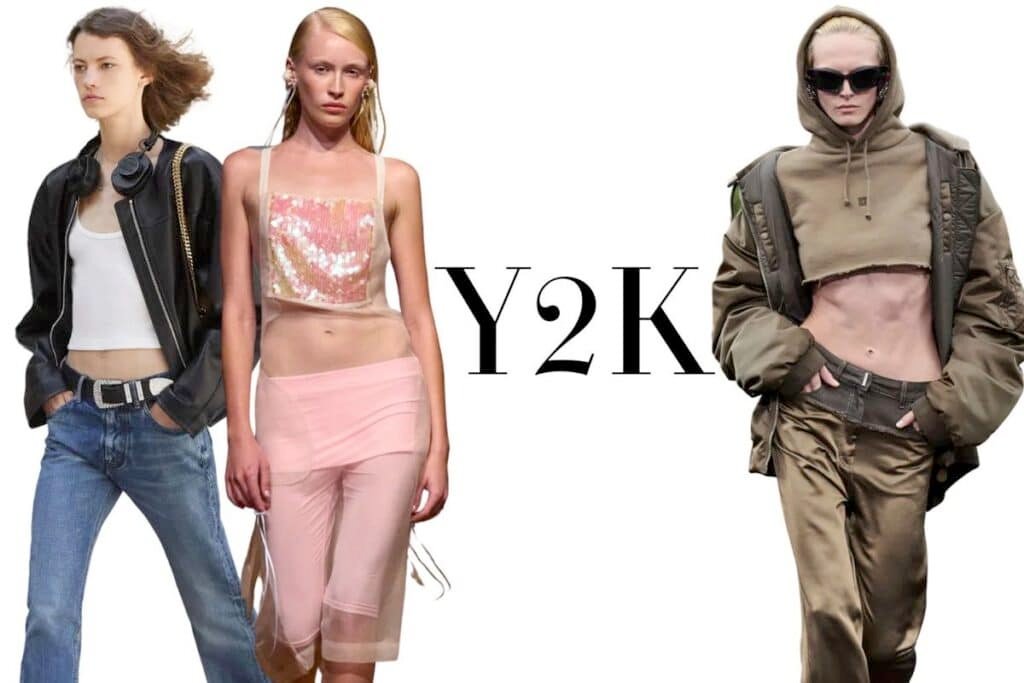
For a softer Y2K look, try a cropped cardigan, wide-leg jeans, a baguette bag, and tinted sunglasses. For a bolder version, pair a metallic top with low-rise or mid-rise trousers, platform shoes, and crystal accessories. For a sporty take, combine cargo pants with a fitted tank and chunky sneakers. The key is contrast: sweet with sporty, futuristic with casual, shiny with relaxed.
Y2K fashion is also deeply connected to confidence. It celebrates the body, the accessory, the logo, the color, the sparkle, the playful detail. It does not hide its references or apologize for being decorative. That is why younger generations have embraced it so enthusiastically. It allows fashion to be humorous, nostalgic, sexy, and experimental all at once.
Of course, the modern revival has evolved. Today’s Y2K is more inclusive, more flexible, and often more comfortable. Low-rise jeans may return, but so do mid-rise and relaxed alternatives. Tiny tops can be layered. Metallics can be balanced with basics. The aesthetic has grown beyond its original celebrity-driven image into something more personal and adaptable.
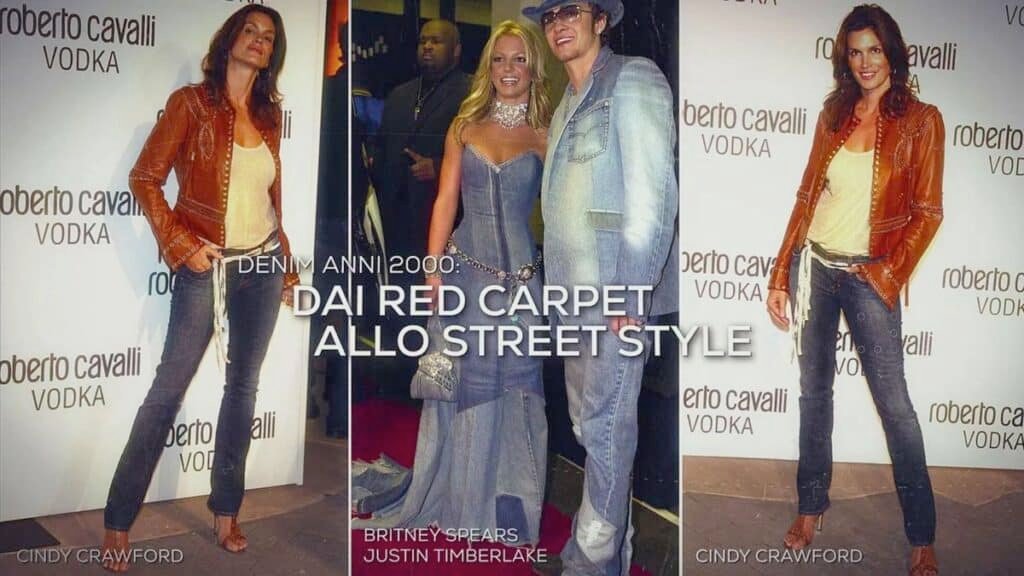
The Y2K era imagined the future as a party: digital, glossy, fast, and full of possibility. Its fashion captured that fantasy through sparkle, synthetic textures, playful silhouettes, and a fearless love of attention. It was not minimal. It was not quiet. It was a wardrobe built for pop songs, flash photography, and the thrill of becoming whoever you wanted to be.
That is why Y2K fashion still feels magnetic today. It reminds us that style can be fun without being shallow, nostalgic without being outdated, and futuristic without being serious. It invites us to dress with curiosity, humor, and a little bit of chaos.
The millennium may have passed, but the dream remains: shiny, strange, seductive, and impossible to ignore.
✨ Disco and boho defined 1970s style.
👗 Sequins, jumpsuits, and platforms ruled the dancefloor.
🌸 Fringe, tie-dye, and maxi skirts led the boho wave.
🌟 Style icons: Diana Ross, Donna Summer, Stevie Nicks.
🔁 Today’s designers still echo these looks.
🧵 Fashion was freedom, fun, and fearless.