
There’s something in the air—a familiar rhythm, a blast of color, a rebellious whisper—and it smells like vinyl, hairspray, and revolution. Yes, the 60s fashion revival is in full swing, and it’s not just a nostalgic detour. It’s a cultural comeback with attitude, audacity, and timeless flair.
The 1960s were never simply about clothes. They were about movement, visibility, youth, music, liberation, and the thrilling idea that style could become a language of change. Today, as fashion once again looks to the past for inspiration, the decade’s sharp silhouettes, graphic prints, mini hemlines, space-age shapes, and psychedelic colors feel surprisingly current. The return of 60s fashion makes sense because the era itself was built on reinvention.
Why the 60s fashion comeback makes sense now
When the 1950s buttoned up, the 1960s ripped it open. This was not just a style shift. It was a seismic shake of social norms, a sartorial statement of youth, art, and emancipation.
Say goodbye to the wasp waist and hello to the trapeze dress—clean lines, bold cuts, and that liberating silhouette that gave women freedom of movement and expression. Designers like André Courrèges and Yves Saint Laurent led the charge with architectural minimalism, while Mary Quant took the hemline to scandalous new heights with her now-legendary miniskirt.
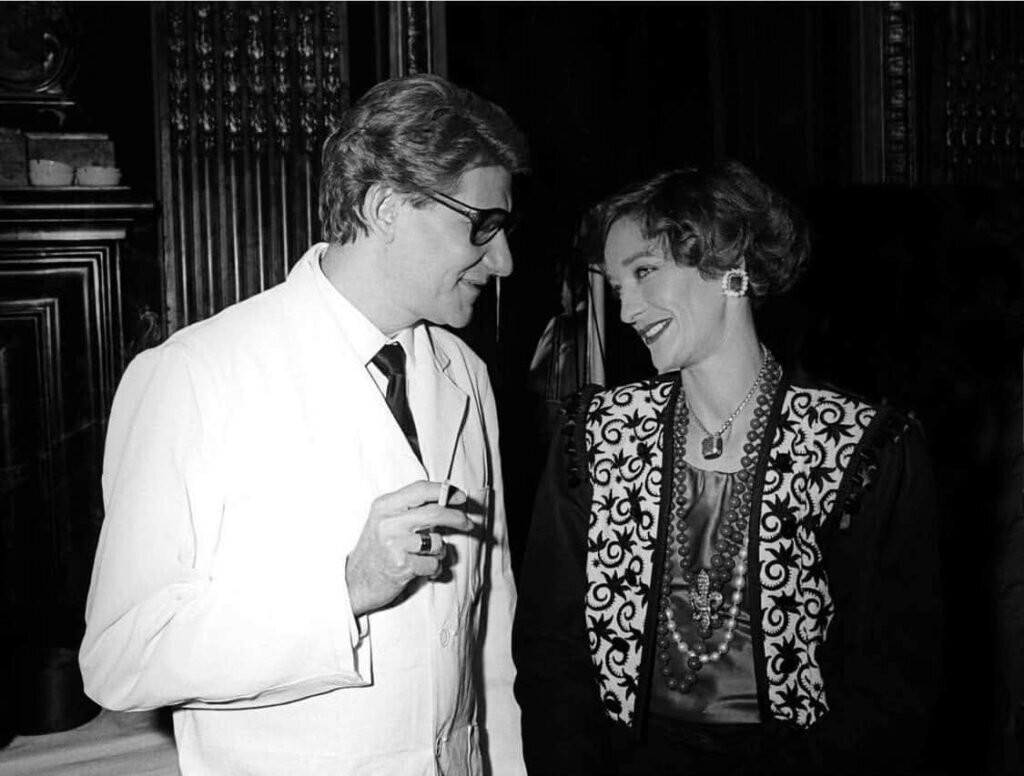
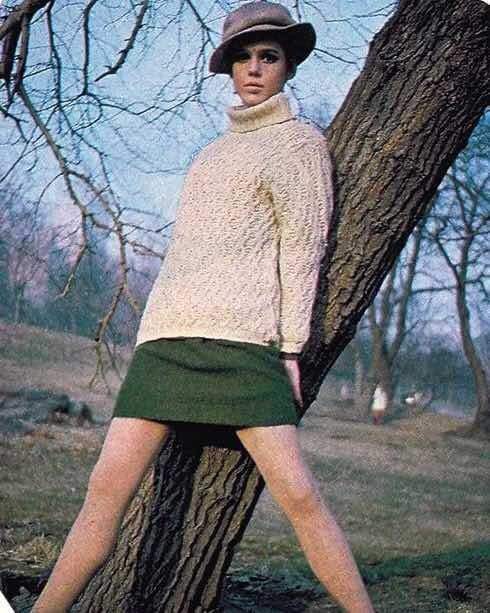
The miniskirt was more than a piece of fabric. It was a manifesto. It represented confidence, youth culture, and a new kind of female presence in public life. Women were no longer dressing only to appear elegant, polite, or traditionally feminine. They were dressing to be seen, heard, and remembered. Paired with knee-high boots, colorful tights, sharp eyeliner, and a fearless attitude, the mini became one of the most powerful symbols of the decade.
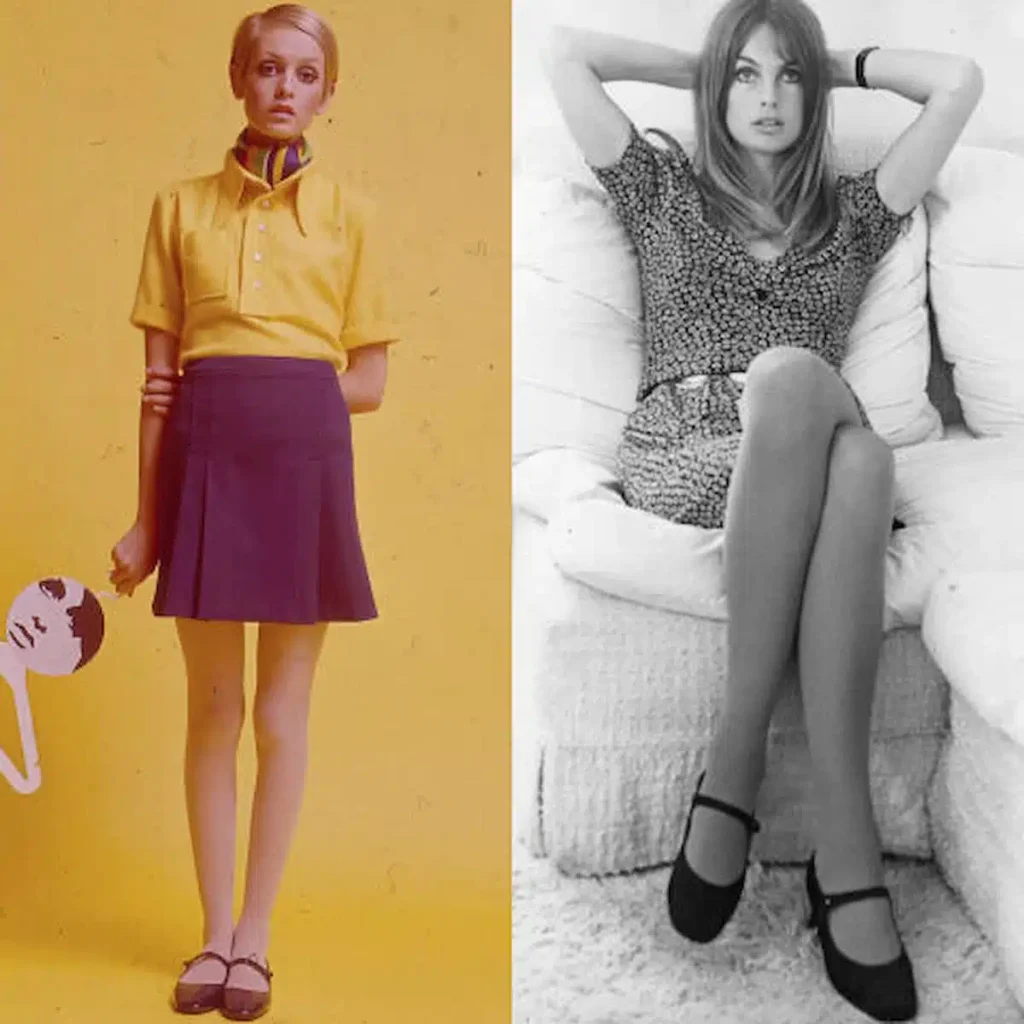
At the heart of the 60s style explosion was Mod fashion. Born in London’s streets and clubs, the Mod look was sleek, graphic, and energetic. Think tailored shift dresses, monochrome patterns, Peter Pan collars, boxy jackets, slim trousers, loafers, and polished details. It was clean but never boring. It was structured but full of rhythm. The Mod wardrobe moved with the beat of The Who, The Kinks, and the early Rolling Stones, carrying the pulse of a generation that wanted modernity in every corner of life.
Black and white optical prints became visual signatures of the decade. Circles, stripes, checkerboards, and geometric motifs transformed the body into a moving artwork. Fashion borrowed from pop art, architecture, and futuristic design, creating a wardrobe that felt almost cinematic. The Space Age influence pushed this even further, with white boots, metallic fabrics, PVC coats, helmet-like hats, and silver accents suggesting a future that seemed close enough to touch.
But the 1960s were not only about sharp Mod lines. As the decade progressed, fashion softened, expanded, and exploded into color. Psychedelic soul entered the room with swirling prints, saturated hues, velvet, fringe, embroidery, bell sleeves, paisley, and flowing shapes. What began as clean modernism evolved into a more expressive, emotional, and experimental style. The late 60s embraced freedom in a different way: less polished, more spiritual, more connected to music festivals, counterculture, and the search for individuality.
This is where the magic of the 60s revival becomes especially relevant today. Modern fashion is no longer tied to one strict aesthetic. We mix eras, references, moods, and identities. A person can wear a Mod-inspired mini dress with platform boots one day and a flowing paisley blouse with flared jeans the next. The 60s offer both discipline and rebellion, minimalism and maximalism, precision and fantasy. That duality makes the decade endlessly adaptable.
The beauty trends of the era are just as influential. The 60s eye remains iconic: graphic eyeliner, exaggerated lashes, pale lids, and a wide-eyed effect inspired by models like Twiggy and Jean Shrimpton. Hair was equally expressive, from sculpted bouffants and sleek bobs to long, natural waves. These looks continue to appear on runways, red carpets, and social media because they are instantly recognizable. They create drama without needing explanation.
Today’s comeback also reflects a broader desire for optimism. In uncertain times, bold fashion can feel like emotional armor. Bright colors, playful shapes, and confident styling invite joy. A yellow mini dress, a pair of white boots, or a psychedelic print blouse can shift the mood instantly. The 60s remind us that fashion does not have to be quiet to be chic. It can be loud, witty, experimental, and still elegant.
For anyone wanting to bring the 60s into a modern wardrobe, the key is balance. You don’t need to dress like you stepped out of Carnaby Street in 1966. Start with one statement: a shift dress, a bold collar, a geometric print, a mini skirt, a structured coat, or a pair of knee-high boots. Keep the rest contemporary. A Mod dress with minimalist jewelry feels fresh. A paisley blouse with tailored trousers feels effortless. White boots with denim create a direct but wearable nod to the decade.
Accessories are another easy entry point. Oversized sunglasses, headbands, patent bags, colorful tights, and sculptural earrings can add instant 60s energy without overwhelming the look. For makeup, a clean base with a strong eye gives a retro reference while staying modern. For hair, a soft flipped end or a polished bob can echo the era beautifully.
The 1960s fashion revival is not about copying the past. It is about understanding why that past still speaks. The decade celebrated youth, imagination, and the courage to break rules. It gave fashion a new tempo and turned the street into a runway. It proved that clothes could challenge expectations and reflect cultural transformation.
So when we see the return of mini silhouettes, bold prints, sharp tailoring, vinyl textures, and psychedelic color, we are not just witnessing another trend cycle. We are seeing fashion reconnect with one of its most electric chapters. The Mod revolution and psychedelic soul of the 60s still have something to say: be brave, be bright, be impossible to ignore.
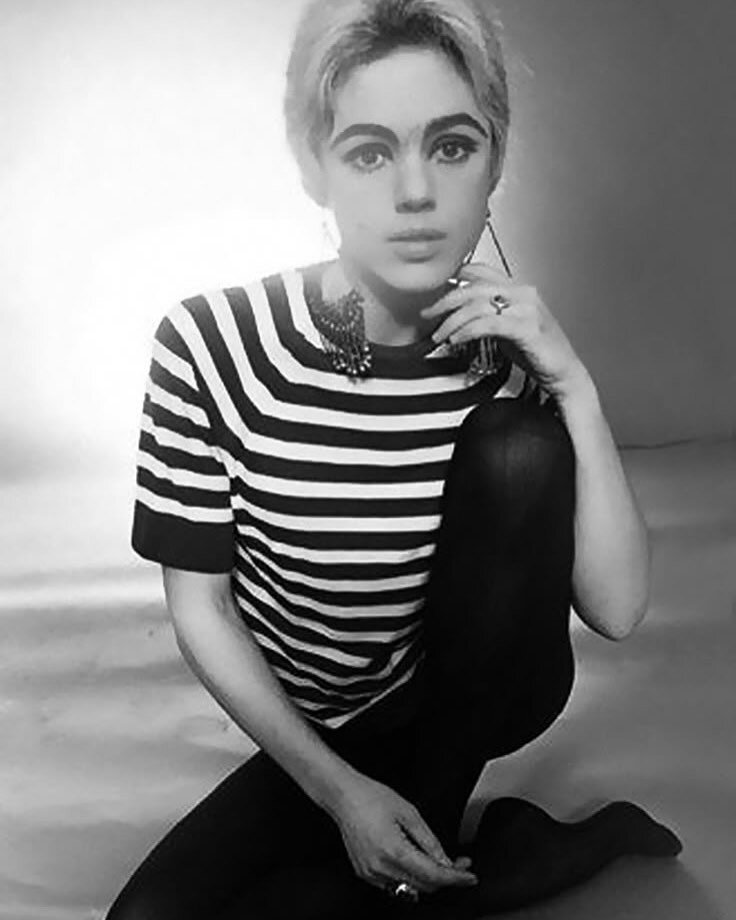
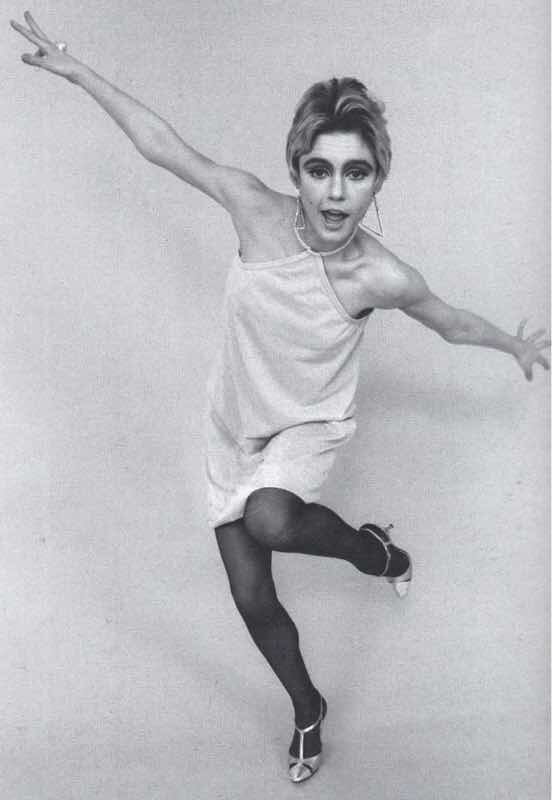
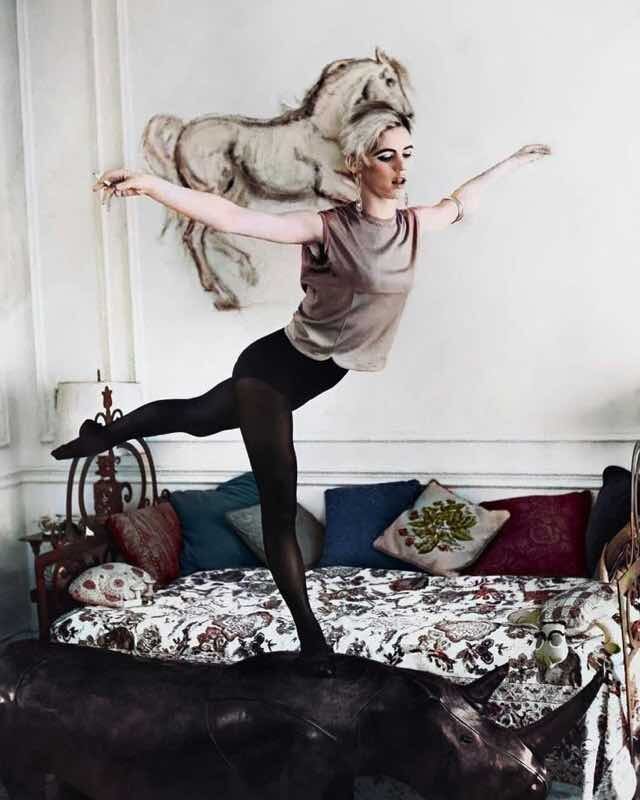
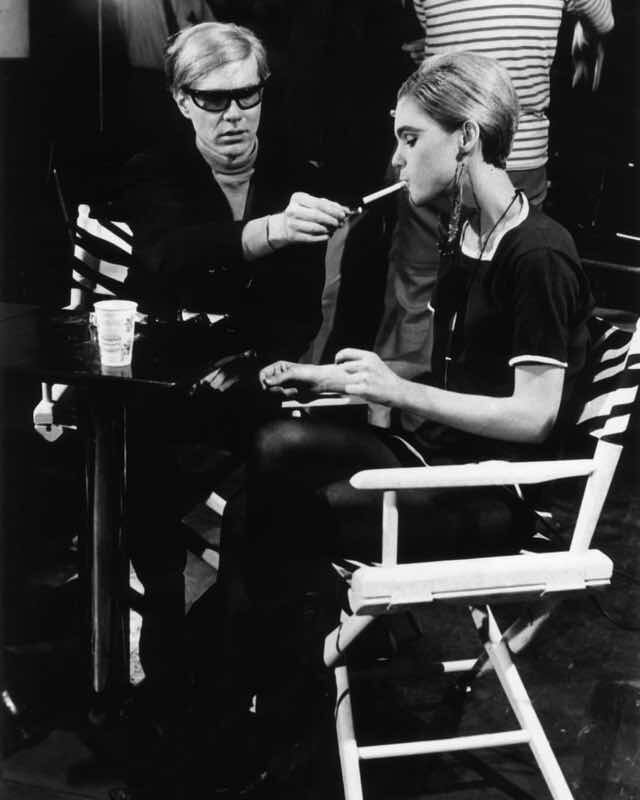
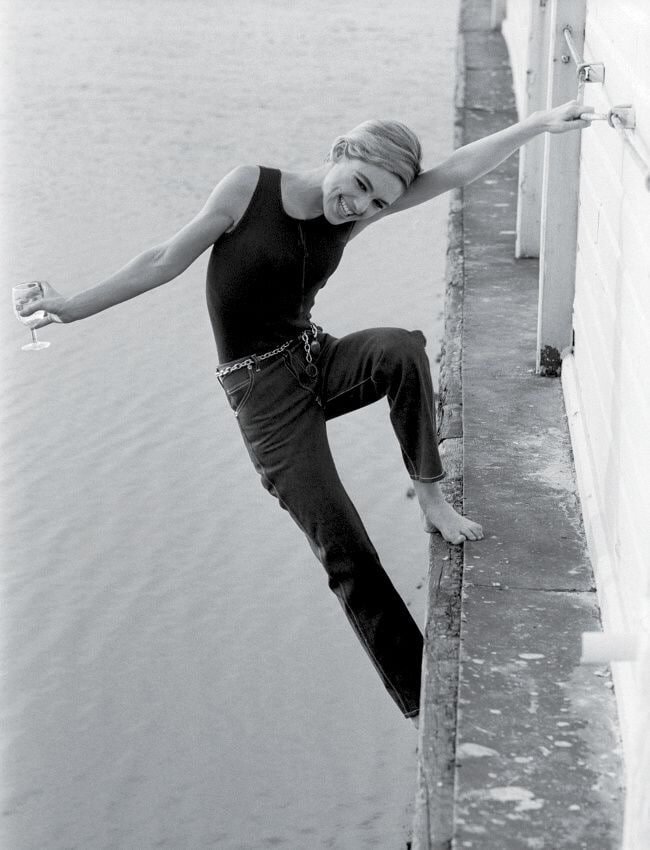
The leading IT girl of the 1960s was Edie Sedgwick, Andy Warhol’s muse.
With her pixie cut and enormous earrings, she embodied the era when the artist’s ‘Factory’ was the focal point of the entire American art underground.
Edie was born into a privileged family in 1943. Her mother was the daughter of the president and CEO of the Southern Pacific Railroad, and her great-grandfather had been one of the signatories of the United States Declaration of Independence. Upon arriving in New York, Sedgwick immediately became part of the art and fashion world. Andy Warhol was struck by her charisma and made her the star of his films.
Unfortunately, the life of this socialite and heiress, with a genetic predisposition that was not exactly favourable in terms of mental health, did not consist solely of parties and camera flashes. Edie struggled with alcoholism and mental illness. Following a falling-out with Warhol and a series of failed relationships (including, according to rumours, a romance with Bob Dylan), she ceased to be the centre of attention.
Sedgwick died of an overdose in 1971, aged just 28. She became a symbol of the 1960s art scene, of its beauty and its tendency towards self-destruction. Edie’s legacy is the result of a tragic allure.