The 1990s marked a pivotal shift in fashion, characterized by the rise of supermodels, the grunge movement, and the early influences of the digital age. This era redefined style norms and introduced a blend of bold and minimalist aesthetics that would shape fashion for decades to come.
In this article, we will delve into the key trends that emerged during this transformative decade, exploring the impact of supermodels, the evolution of grunge, and the minimalist wave that took over runways and streets alike. We’ll also discuss how these elements are reflected in today’s fashion landscape.
What were the key fashion trends of the 1990s?
The 1990s is often remembered for its eclectic mix of styles, from sporty looks to grunge aesthetics. Among the significant trends were:
- Grunge style: Characterized by oversized flannel shirts, ripped jeans, and combat boots.
- Minimalism: Designers like Calvin Klein and Jil Sander emphasized clean lines and neutral colors.
- Urban streetwear: Hip-hop culture influenced casual fashion, introducing baggy pants and graphic tees.
- Preppy styles: Polo shirts and khaki pants made a comeback, particularly in high school fashion.
- Sportswear: Athleisure began to rise, with brands like Nike and Adidas gaining popularity.
This decade saw the blending of various influences, resulting in unique fashion narratives that catered to diverse audiences. The emergence of platforms like MTV helped to popularize trends as music and fashion became intertwined.
How did grunge fashion emerge in the 90s?
Grunge fashion originated from the music scene in Seattle in the early 90s, influenced heavily by bands like Nirvana and Pearl Jam. This movement was a rebellion against the flashy styles of the 80s and embraced a more casual and unkempt aesthetic.
Key characteristics of grunge fashion included:
- Layering: Wearing multiple layers, such as t-shirts under flannel shirts, was a common look.
- Distressed clothing: Torn jeans and worn-out shoes became staples in the grunge wardrobe.
- Dark colors: Earthy tones and dark shades dominated this aesthetic, reflecting its raw nature.
- Doc Martens: This iconic footwear became synonymous with grunge style.
Grunge fashion was not only a style but also a cultural statement, representing a generation’s disillusionment with consumerism. It encouraged individuality and authenticity over polished appearances.
Who were the iconic supermodels of the 1990s?
The 1990s was the golden era of supermodels, with figures like Naomi Campbell, Kate Moss, and Linda Evangelista dominating the fashion scene. These models not only graced magazine covers but also shaped the industry itself.
These supermodels had a profound impact on 90s fashion by:
- Setting trends with their distinctive looks and personal styles.
- Bringing diversity to runways and fashion campaigns.
- Collaborating with renowned designers like Calvin Klein and Versace.
The supermodel phenomenon also paved the way for a new era in modeling, where personalities and brands became intertwined. This shift led to the rise of “celebrity culture,” where models could command significant influence beyond the fashion industry.
What role did minimalism play in 90s fashion?
Minimalism emerged as a key trend in the 1990s, offering a stark contrast to the elaborate styles of the previous decade. This movement emphasized simplicity and functionality, becoming a favorite among both designers and the public.
Prominent designers like Calvin Klein and Jil Sander led the charge with collections that featured:
- Neutral palettes: Colors such as beige, white, and black were prevalent.
- Clean lines: Tailored silhouettes that allowed for easy movement and comfort.
- Quality fabrics: Focus on luxurious materials that exuded understated elegance.
This minimalist approach resonated with many who sought to move away from the ostentatious fashion of the 80s. It laid the foundation for the modern athleisure movement and continues to influence fashion design today.
How did the Y2K influence fashion trends?
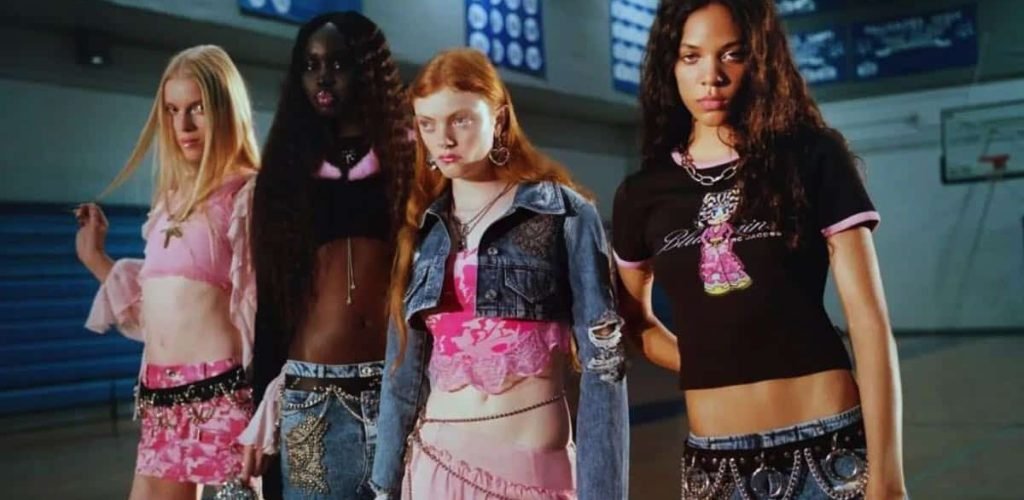
As the year 2000 approached, the Y2K aesthetic began to take shape, blending futuristic elements with nostalgic styles from the 90s. This period was characterized by a playful embrace of technology and innovation in fashion.
Key Y2K trends included:
- Metallic fabrics: Shiny materials and bold colors that echoed a sense of futurism.
- Tech-friendly accessories: Items like bucket hats and platform sneakers became popular.
- Graphic prints: Logos and slogans were prominently featured on clothing, reflecting a pop culture phenomenon.
The Y2K movement represented a fusion of optimism and uncertainty, as society prepared for the new millennium. This sense of transition in fashion helped revitalize interest in 90s styles while also setting the stage for the new trends of the 2000s.
What are the characteristics of 90s inspired fashion?
Today, 90s inspired fashion has made a significant comeback, with many of its trends being reinterpreted for modern audiences. Key characteristics of this revival include:
- Baggy silhouettes: Loose-fitting jeans and oversized t-shirts are now staples in contemporary wardrobes.
- Vintage graphics: Nostalgic prints and vintage band tees are highly sought after.
- Mixing styles: A combination of grunge, minimalism, and streetwear influences creates a unique look.
This revival not only showcases the enduring appeal of 90s fashion but also reflects the cyclical nature of style. Fashion is often influenced by past eras, with modern interpretations serving as a bridge to the past.
Is tie-dye considered a 90s fashion trend?
Yes, tie-dye is indeed a recognized trend from the 1990s, particularly associated with the counterculture movements of the time. This vibrant technique became popular in various forms, from t-shirts to dresses.
Characteristics of 90s tie-dye included:
- Bold colors: Bright and contrasting colors that created unique patterns.
- DIY culture: Many embraced making their own tie-dye pieces, reflecting individuality.
- Casual wear: Tie-dye was often incorporated into casual outfits, emphasizing comfort.
The resurgence of tie-dye in recent years highlights its lasting appeal as a symbol of fun and creativity, transcending its original context to become a modern fashion statement.
Exploring the impact of supermodels, grunge, and the digital age
The 1990s was a decade of radical transformation in the fashion landscape, driven by a blend of cultural shifts and technological advancements. The dominance of supermodels brought a new level of celebrity status to the industry, influencing trends and consumer behavior.
As we reflect on the impact of grunge and minimalism, it is clear that these movements reshaped not only fashion but also the broader cultural narrative. Designers and models alike embraced new ideas, paving the way for future generations to explore individual style free from conventional constraints.
Today, the legacy of the 1990s continues to echo, reminding us of an era that celebrated both authenticity and innovation. As we navigate today’s fashion landscape, the lessons learned from this transformative decade remain as relevant as ever.
Questions related to 90s fashion history
What were the major fashion trends of the 1990s?
The major fashion trends of the 1990s included a mix of styles ranging from grunge and minimalism to preppy and streetwear. The decade witnessed the rise of casual fashion, characterized by oversized clothing and comfortable silhouettes. Trends like flannel shirts, combat boots, and ripped jeans became synonymous with the grunge movement, while designers such as Calvin Klein and Jil Sander championed minimalist aesthetics that emphasized simplicity and quality. Urban influences also played a significant role, with hip-hop culture introducing baggy pants and graphic tees as staples in casual wear.
How did the grunge movement influence fashion in the 90s?
The grunge movement profoundly influenced 90s fashion by promoting a more casual, unkempt aesthetic that rejected the flamboyance of the previous decade. It encouraged the use of layered clothing, with items like band t-shirts paired with flannel shirts and distressed jeans. Grunge also embraced anti-fashion sentiments, making it appealing to youth looking for authenticity. This movement not only shaped the fashion of the 90s but also left a lasting legacy that continues to inspire modern designers and trends.
Who were the leading supermodels of the 1990s?
The leading supermodels of the 1990s included icons such as Naomi Campbell, Kate Moss, and Linda Evangelista. These models dominated the fashion industry, gracing the covers of numerous magazines and walking the runways for top designers. Their influence transcended modeling, as they became cultural figures in their own right, representing beauty and style. The supermodel phenomenon significantly impacted 90s fashion, showcasing diverse aesthetics and redefining the role of models within the industry.
What impact did minimalism have on 90s fashion?
Minimalism had a profound impact on 90s fashion by introducing a focus on simplicity, functionality, and understated elegance. Designers like Calvin Klein and Jil Sander popularized clean lines and neutral color palettes, which contrasted sharply with the opulence of the 80s. This trend resonated with consumers seeking a more refined and sophisticated approach to fashion, allowing for versatile wardrobes that emphasized quality over quantity.
How did the approaching Y2K affect fashion trends?
The approaching Y2K brought a sense of excitement and uncertainty that influenced fashion trends in the late 90s. The Y2K aesthetic blended futuristic elements with nostalgic styles from the 90s, resulting in the popularity of metallic fabrics, bold colors, and playful designs. This period saw a rise in graphic prints and tech-inspired accessories that captured the zeitgeist of the time. As society prepared for the new millennium, fashion became a reflection of both optimism and anxiety, setting the stage for the transition into the 2000s.
What defines 90s inspired fashion today?
Today, 90s inspired fashion is defined by a blend of nostalgia and modern reinterpretation. Key elements include baggy silhouettes, vintage graphics, and a mix of grunge, streetwear, and minimalist influences. This revival reflects a desire for comfort and individuality, allowing for unique personal expression. Fashion brands are increasingly looking to the past for inspiration, reviving classic styles that resonate with contemporary audiences, thus blurring the lines between past and present.
Is tie-dye a trend that originated in the 1990s?
Yes, tie-dye is widely regarded as a trend that gained traction in the 1990s, particularly within the context of the counterculture movements. This vibrant and colorful technique became popular for its DIY appeal, allowing individuals to create unique pieces that reflected their personal style. The resurgence of tie-dye in fashion today highlights its enduring popularity and versatility, making it a recognizable symbol of fun and creativity in contemporary wardrobes.