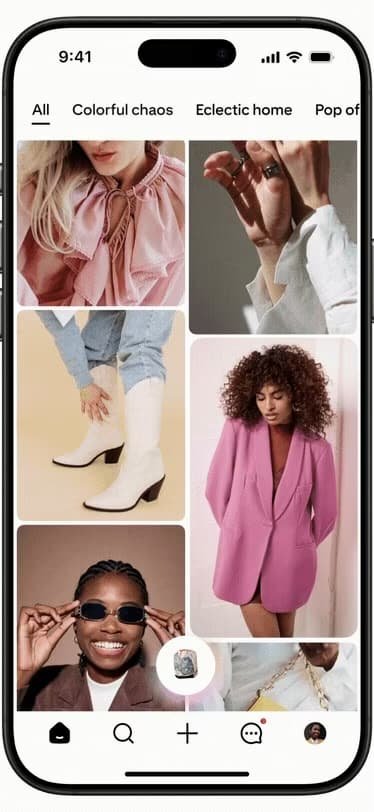
Pinterest has introduced its first AI-powered shopping assistant, an innovation built to change how people browse, search, and buy online. Unlike conventional chatbots, this tool speaks the visual language of its 600 million monthly users, understanding not just words but textures, moods, and styles.
At its core lies an AI visual language model—not a text-based engine—trained to capture that elusive “I’ll know it when I see it” feeling that drives most fashion and décor searches.
Beyond text: the rise of multimodal search
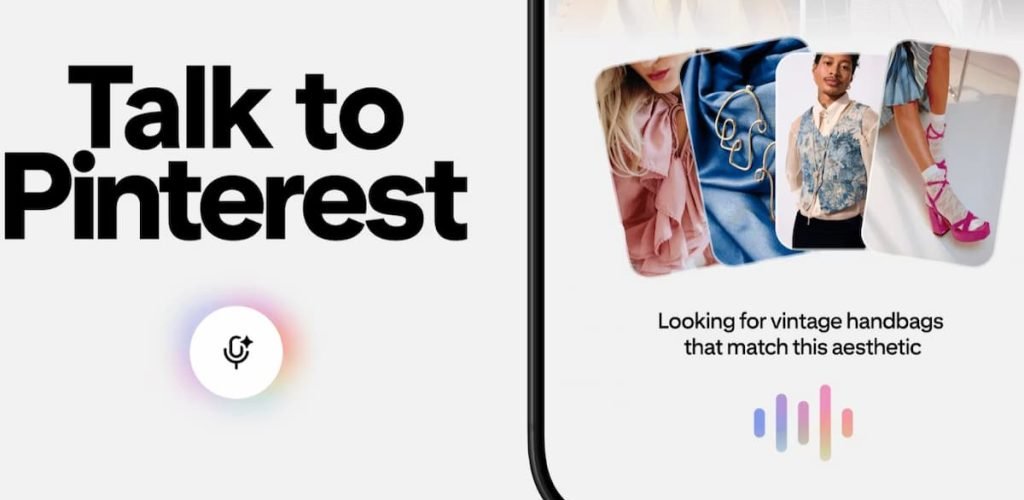
The platform’s new assistant integrates voice, image, and text in real time, allowing context to flow seamlessly between them. A user might describe a “romantic coastal bedroom” or say “show me fall outfits with a vintage twist,” and the assistant instantly responds with curated boards and shoppable pins.
Pinterest describes the experience as “closer to how people shop in real life”—fluid, conversational, and deeply personal. With voice search now part of the process, discovery becomes more intuitive, especially for Gen Z users who already navigate style through video and image-first platforms.
Your style-savvy friend, powered by AI
According to Pinterest, the assistant is meant to feel like “a best friend suggesting the perfect new look.” It draws from the user’s saved pins, moodboards, and collages, learning from personal aesthetics as well as trends from users with similar taste.
Chief Executive Officer Bill Ready summed it up:
“People, especially Gen Z, say that the magic of Pinterest is that it just gets me. With Pinterest Assistant, we’re amplifying that magic through AI, helping users discover and shop like they would with someone who knows them best.”
The system doesn’t merely recommend—it collaborates, proposing new ideas while respecting a user’s existing visual universe.
From inspiration to checkout
Pinterest’s shift reflects a broader trend in AI-driven commerce, where discovery and purchase happen in one place. The assistant offers “proactive” recommendations—spotting what complements a saved outfit or what’s trending among similar shoppers—and connects users directly with purchasable products.
This feature strengthens Pinterest’s position in the “visual search” race, competing with Google Lens, TikTok Shop, and Instagram Reels. But its visual-first approach sets it apart: while others adapt text-based search to imagery, Pinterest is building from the image outward.
Early access and what’s next
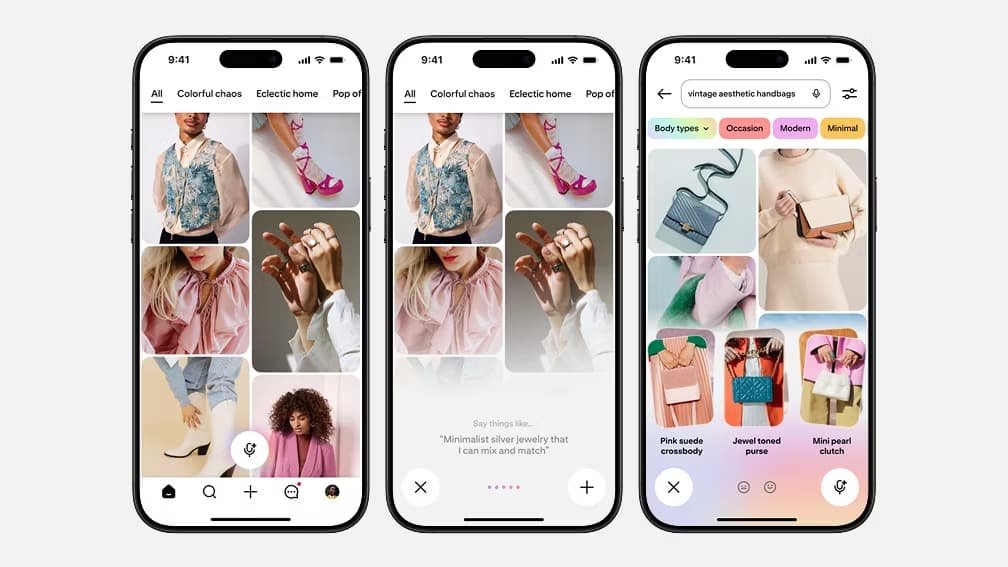
The beta version of Pinterest Assistant is now rolling out to U.S. users aged 18 and older. To interact, users simply tap the mic icon—much like sending a voice note—and describe what they’re looking for. The assistant then replies with a customized visual feed ready for exploration.
A wider global release is expected in the coming months, accompanied by developer documentation to help merchants integrate products into this new visual ecosystem.
Why it matters
Pinterest’s move marks a decisive step toward multimodal commerce, where voice, imagery, and AI blend into one seamless experience. It reinforces the platform’s identity as a place where creativity meets intent—and where discovery leads naturally to purchase.
In a digital landscape driven by algorithms, Pinterest’s new assistant reclaims something profoundly human: the joy of finding beauty by intuition.