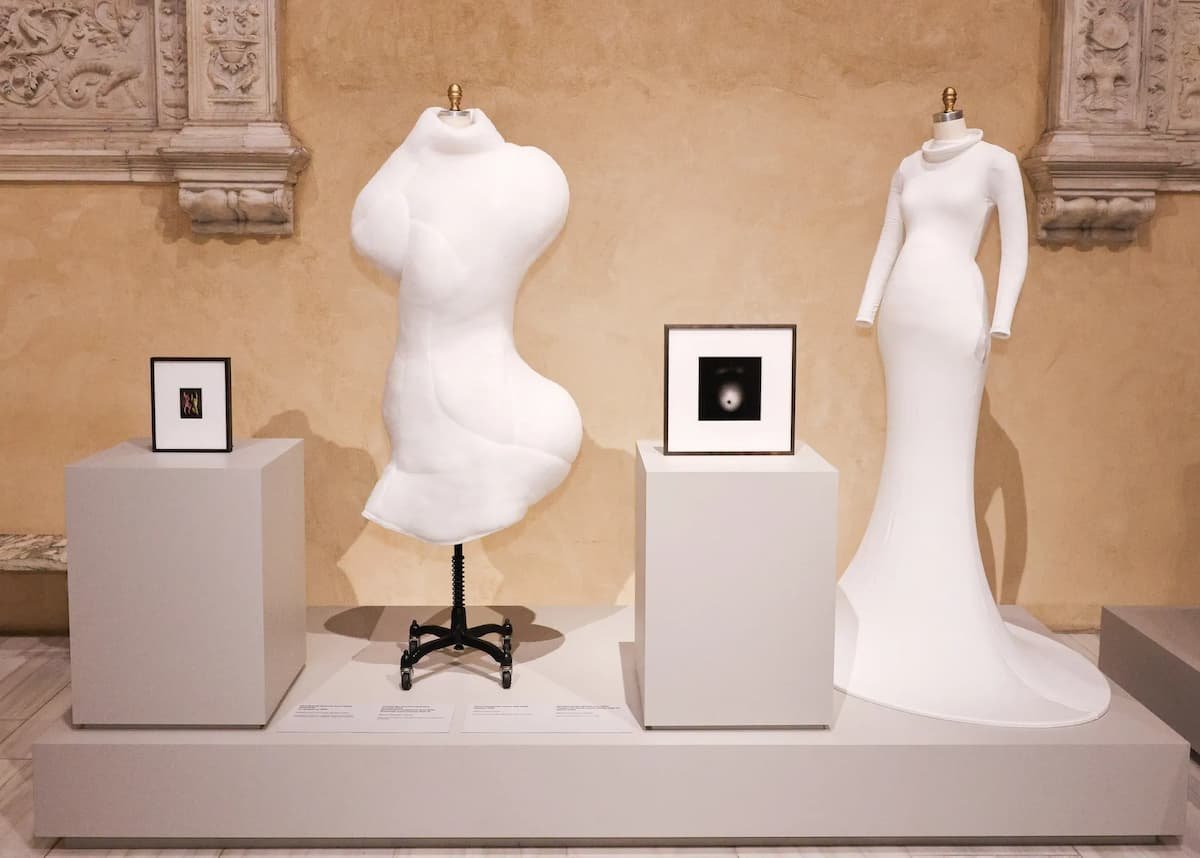

Every year, the Met Gala promises spectacle. In 2026, it promises something more demanding: interpretation.
The theme, Costume Art, shifts the conversation away from fashion as surface and toward fashion as construction—cultural, historical, and symbolic. It’s a subtle but decisive move. Not what you wear, but what your clothing meanswhen placed inside a broader narrative.
This is where the Met Gala becomes less predictable, and far more revealing.
Met Gala 2026 Costume Art: Why the Theme Matters Now
The phrase “Costume Art” might sound familiar, even reassuring. It evokes craftsmanship, theatricality, perhaps even nostalgia. But within the context of the Met Gala 2026, it signals a deeper recalibration.
Fashion, increasingly entangled with entertainment and digital culture, has spent years optimizing for visibility. Viral silhouettes, exaggerated volumes, instant recognizability. The red carpet became a stage for immediacy.
This theme resists that logic.
It asks for something slower. More deliberate. It invites designers and celebrities to engage with costume not as disguise, but as a coded system—one that reflects identity, history, and power structures.
In other words, Costume Art demands reading, not just looking.
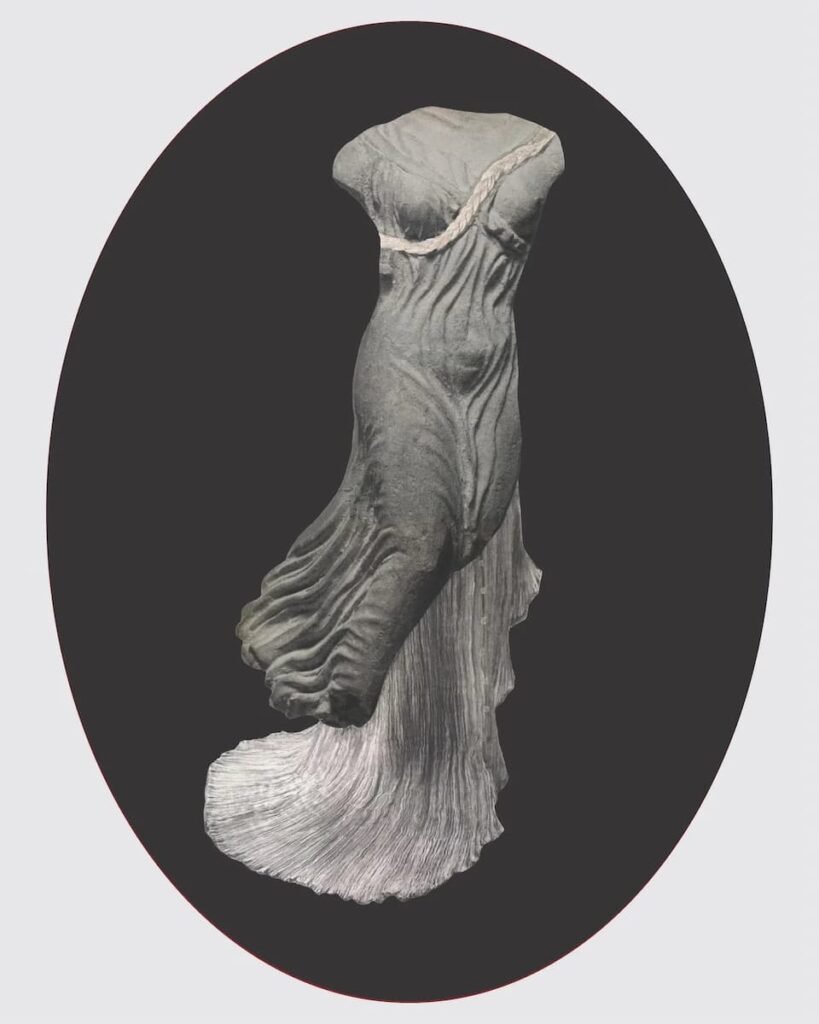
Dress Code: Beyond Aesthetic, Toward Interpretation
The Met Gala dress code has always operated as a framework rather than a rule. In 2026, that framework becomes almost conceptual.
Expect fewer literal translations and more layered constructions. References may draw from theatrical costume, archival garments, cinema, or even ceremonial dress traditions. The challenge lies in avoiding the obvious.
The risk, as always, is falling into caricature. Costume, when misunderstood, becomes costume party. When interpreted with precision, it becomes narrative.
The distinction is thin, and the Met Gala is where it’s most visible.
Co-Chairs and Cultural Positioning
The selection of co-chairs is never incidental. It reflects the cultural direction the event intends to take.
For Met Gala 2026, the names attached to the event suggest a deliberate intersection between fashion, cinema, and contemporary storytelling. This alignment reinforces the idea that costume is not confined to the runway—it lives in film, performance, and collective imagination.
The co-chairs, therefore, are not just hosts. They are mediators between disciplines. Their presence frames the evening as a dialogue rather than a showcase.
Costume vs Fashion: A Tension That Defines the Night
There has always been a quiet tension between costume and fashion.
Fashion seeks relevance in the present. Costume often belongs to narrative, to character, to transformation. When the two intersect, something unstable—and interesting—emerges.
The Met Gala 2026 sits precisely in that space.
Designers are pushed to move beyond seasonal collections and into something closer to authorship. Celebrities, in turn, are asked to inhabit rather than simply wear. The result, at its best, is a red carpet that functions like a living exhibition.
At its worst, it becomes excess without meaning.
The Return of Craft and Cultural Memory
One of the most compelling aspects of the Costume Art theme is its implicit focus on craftsmanship.
Costume, historically, has always required precision. Materials, construction techniques, historical accuracy—or intentional deviation from it—play a central role. This emphasis could mark a return to slower processes, where garments are built rather than assembled.
It also reopens a dialogue with cultural memory.
Which histories are being referenced?
Who is allowed to reinterpret them?
And how are these narratives translated for a global audience?
These questions will not be answered directly on the red carpet, but they will shape its visual language.
What to Expect on the Red Carpet
The Met Gala 2026 red carpet is unlikely to deliver easy moments.
Instead of instantly recognizable looks, expect garments that require context. Outfits that make sense only when accompanied by explanation, reference, or intention. This may challenge the traditional rhythm of red carpet coverage, which thrives on immediacy.
Yet it also offers an opportunity.
For an audience increasingly accustomed to fast consumption, the shift toward complexity can feel disorienting—but also refreshing. It invites a different kind of engagement, one that aligns more closely with how fashion operates at its most meaningful level.
A Different Kind of Visibility
Visibility has long been the currency of the Met Gala.
In 2026, visibility may no longer be enough.
Costume Art suggests a move toward depth, even at the risk of losing instant impact. It’s a gamble. Not every look will translate. Not every reference will be understood.
But perhaps that is precisely the point.
Fashion, at its core, has never been just about being seen. It has always been about being interpreted.
Is the Met Gala Changing Its Language?
The Met Gala has always adapted to the cultural moment. Some years amplify spectacle, others lean into intellectual framing. The 2026 edition appears to be doing both—but with a shift in emphasis.
Less performance for the sake of attention.
More construction of meaning.
Whether this transition will succeed depends on execution. On whether designers and attendees embrace the complexity of the theme, or reduce it to visual shorthand.
Final Thought: Costume as a Form of Power
To treat costume as art is to acknowledge its influence.
Costume shapes perception. It defines characters, constructs identities, and communicates belonging—or exclusion. Bringing this dimension to the Met Gala transforms the event into something more than a celebration of fashion.
It becomes a reflection on how we choose to represent ourselves, and why.
The question, then, is no longer what will be worn at the Met Gala 2026.
But what will be said through it.
Join our Community:
https://t.me/vintageitalian
https://vintageitalianfashion.substack.com/